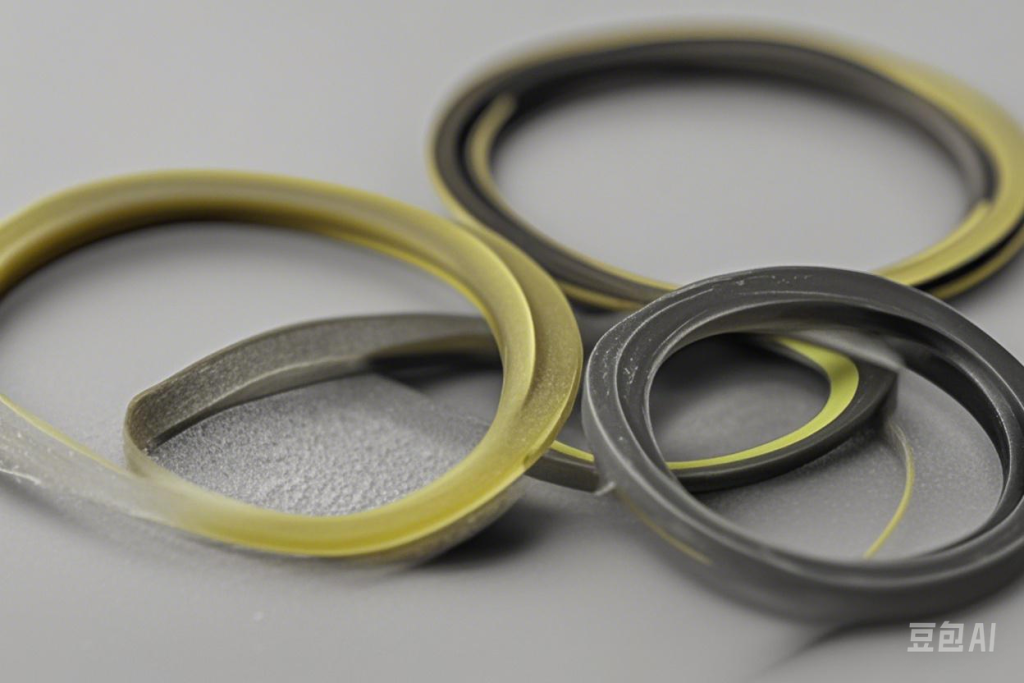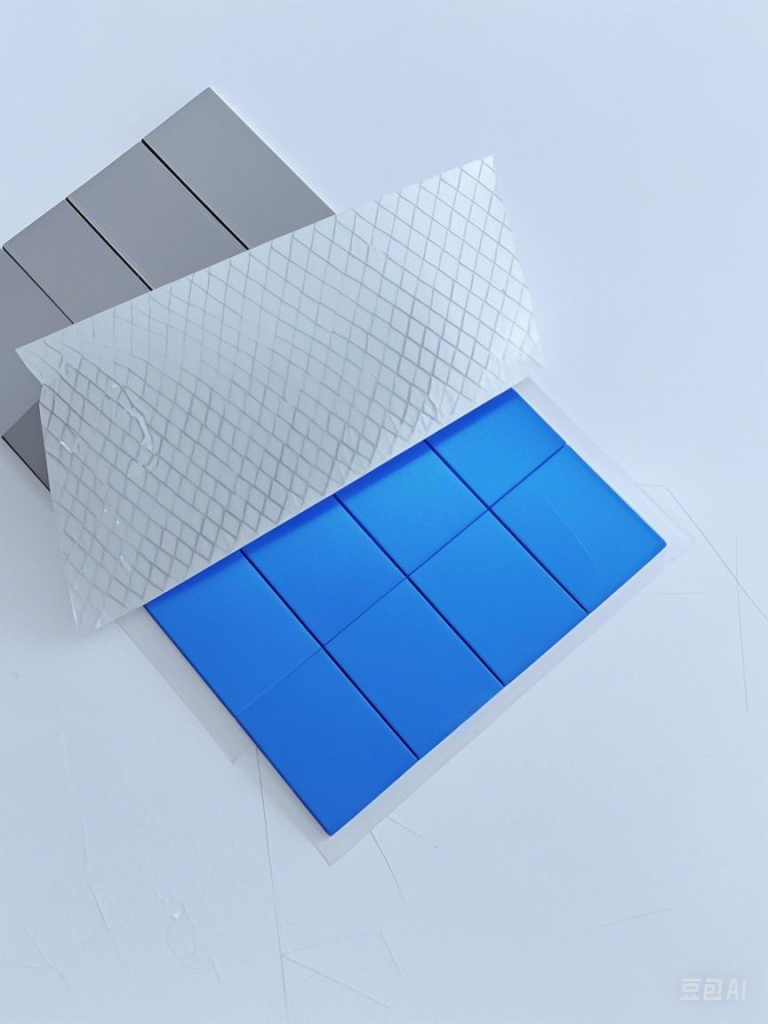
Starting the current exposition features insights addressing polydimethylsiloxane and conductive silicone rubber gaskets focused on RF suppression shielding.
Silicone rubber compounds are prevalently used for malleable tasks thanks to their remarkable resilience and compound immunity. Yet, their intrinsic insufficiency of current carriage constrains the functionality in particular engineering implementations.
The embedding of conductive submicron additives, especially silver-coated infused within the silicone base, develops a synergistic effect causing a conductive fabric that enables optimal EMI protection.
The described techniques equip units to mitigate detrimental electrical interference.
Safeguarding Digital Modules: A Duty of PDMS and Electroconductive Strips
Reliable encasing of electronic modules is necessary in harsh contexts. Dimethylsiloxane, with their excellent adaptability and material tolerance, extends outstanding humidity guard characteristics. Nonetheless in cases needing electronically active operation, electrically components, often crafted from electron conducting mixtures, can be indispensable to avoid radio interference and maintain dependable activity. An melding of Dimethylsiloxane & shielding components constitutes a robust answer intended for achieving robust functionality in sophisticated devices.
EMC Suppression Interfaces: Improving Output employing Current flowing Silver-based Rubber and polydimethylsiloxane
{Efficient EMI disturbance shielding gaskets are fundamental for covering sensitive circuit tools and installations from unwanted broadcast channelled noise. Leading designs often use a mixture of conductive Silicone Elastomer and Silicone polymer to attain optimal performance. Conductive SR provides high-quality electrical current passage, maintaining a robust reference path for eliminating disturbing signals. Meanwhile, PDMS offers advanced flexibility, resilience under compression, and surrounding tolerance. Precise material selection and composition techniques, such as a minute layer of SR within a PDMS matrix, enhance both shielding effectiveness and persistent durability.
- Assess several material assemblies according on use case prerequisites
- Verify adequate concealment compression for reliable contact
- Inspect pads regularly to assure operation
The synergistic procedure results in EMI barriers that deliver formidable protection and persistence.
Polydimethylsiloxane Electron-transmitting SR Membranes: Maintaining Electronics from Noise
With respect to sensitive device components, RFI interference has potential to prove deleterious effects, leading into defects in addition to facts damage. Silicone base metallic silver-based rubber seals afford durable stable measure by ensuring proven strong guard against similar obstructions. Those membranes, ordinarily made comprising silicone elastomer composite elastomer incorporated by electrical granules, manufacture enhanced minimal resistance way into return path, dissipating EMC along with radiation frequency disturbance radiation. Those elastic design guarantees unique strong protection mainly on irregular interfaces, forming such components advantageous intended for tasks in healthcare apparatus, data transmission facilities, coupled with assorted mechanical environments. Using the Siloxane compound electroconductive silver composite rubber interface acts as effective preemptive method designed to secure setup soundness plus secure functional robustness.
Optimizing Hardware Piece Wrapping with Siloxane Elastomer-Based Signal Interference Blocking
Advanced power device enclosure presents a central problem in up-to-date development due to growing electromagnetic static. PDMS delivers a unique process when connected with electroconductive particles to create resilient EMI protection coatings. This technique not only strengthens apparatus functionality but also diminishes likely possibility of collapse emanating from ambient EMC dangers.
Electronically Active SR Improvement in PDMS Barriers for Improved EMI Protection
State-of-the-art closures fabricated from polydimethylsiloxane (PDMS), incorporating electronically conductive fillers, exhibit significantly improved attenuation capabilities against electromagnetic interference (EMI). The melding of elements like carbon nanotubes or nickel grains provides a route for energy transmission conduction, thereby creating a more sturdy electromagnetic barrier. This electronically conductive increase in gasket efficiency is critical for high-value electronic units requiring unmatched EMI mitigation in various settings. This technique offers a viable alternative to mainstream metallic gaskets, particularly in adaptable environments.
Determining the Right EMI Shielding Gasket: PDMS vs. Conductive SR Replacements
Evaluating fitting electronic screening barriers requires meticulous review of several criteria. Regularly, metallic Silicone Rubber (Silicone elastomer) has been a popular variant; however, Poly Siloxane polymer (Siloxane compound) surfaces as a feasible choice, primarily where compression depths are narrowed or medium compatibility is vital. Silicone polymer furnishes remarkable pliability and might fit restricted extremes, while preserving outstanding attenuation effectiveness.
Sophisticated Sealing Technologies: Siloxane, Electronically active Silver composite elastomer, and High-tech systems Protection
Cutting-edge encapsulation methods are critically required for protecting fragile technological EMI Shielding Gasket systems. silicone polymer, with its noteworthy compliance and elemental stability, grants outstanding external defenses. Additionally, electrically-active elastomer enables electrostatic dissipation, defending against static electricity event episodes. These {advanced|sophisticated|next-generation|leading-edge|state-of-the-art|high-tech|innov