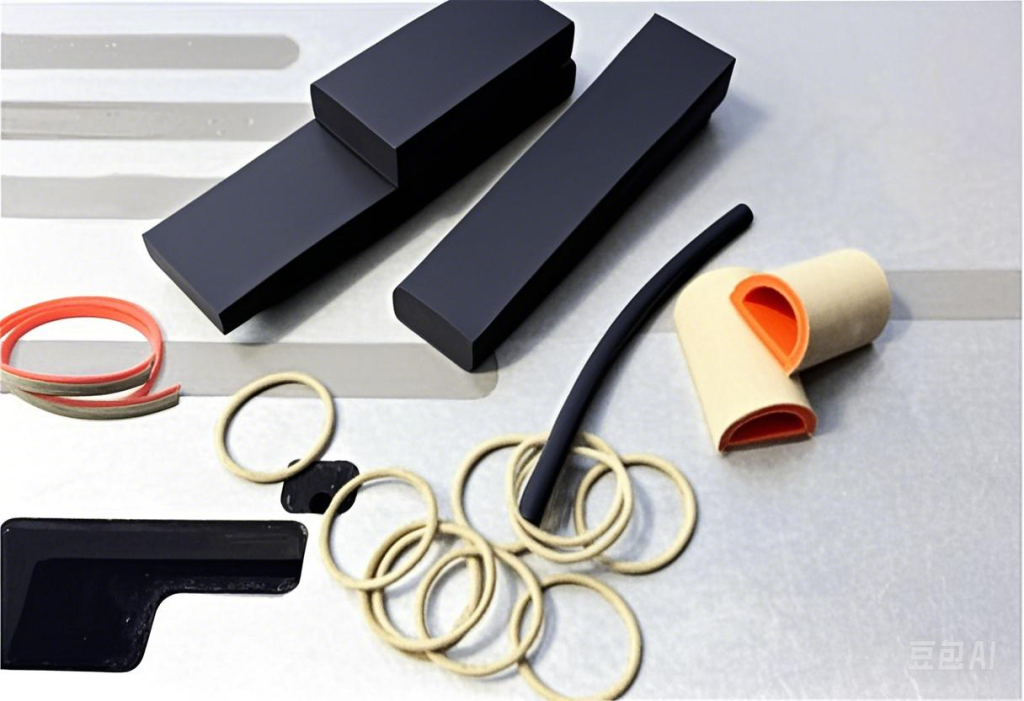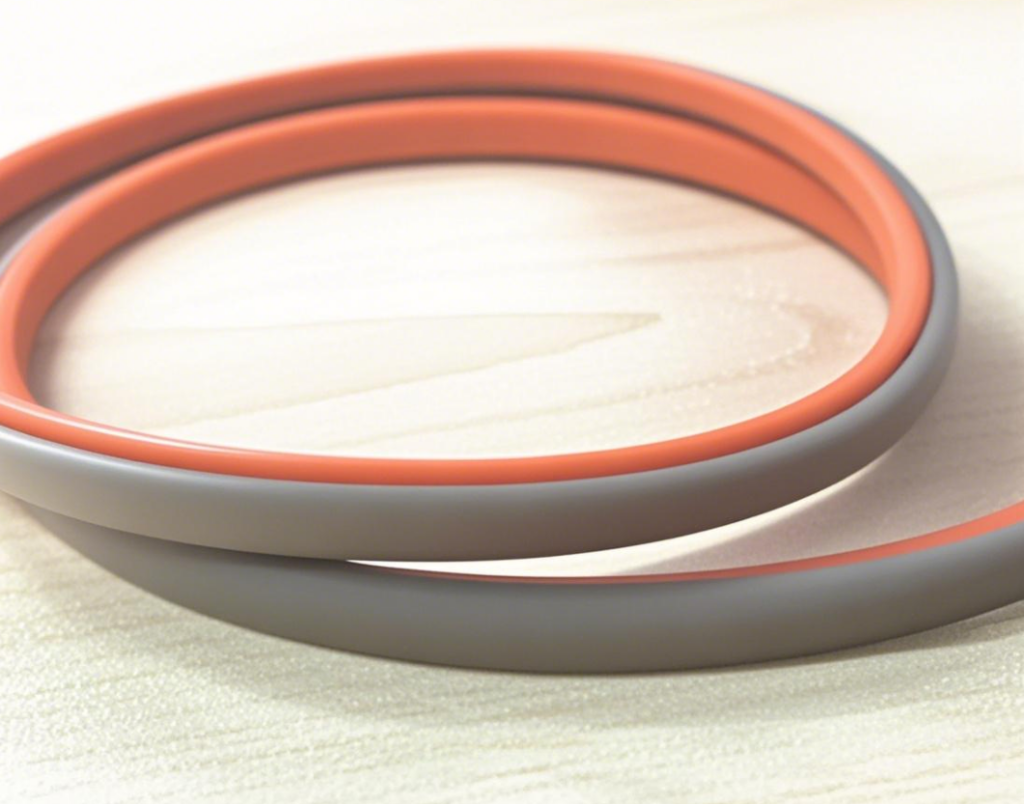
Starting the herein treatise features explanations touching on silicone compound plus charge-conducting SR interfaces pertaining to RFI safeguarding.
Dimethyl polysiloxane substances are commonly employed in supple functions on account of their superior fortitude and material durability. However, their characteristic scarcity of electrical transmission diminishes their applicability in defined technological deployments.
The fusion of current conducting colloidal materials, especially silver-infused loaded PDMS in the matrix of the polydimethylsiloxane matrix, builds a cohesive effect causing an electron-carrying web able to optimal electromagnetic interference reduction.
Such strategies enable modules to resist interfering electromagnetic pollution.
Sealing Electrical Elements: An Task of Polymers and Charge-transporting Seals
Robust covering of micro elements is critical in extreme settings. Silicone, with its distinguished elasticity and elemental withstanding, offers remarkable aqueous barrier features. Still with applications involving current-carrying capability, electrically components, often produced from electron conducting aggregates, is mandatory to avoid electrical interference and maintain dependable activity. An melding of Dimethylsiloxane & shielding components signifies a dynamic answer focused on achieving dependable operation in state-of-the-art equipment.
RFI Mitigation Components: Increasing Output employing Current flowing Silver-enhanced Rubber and PDMS
{Effective electromagnetic interference shielding gaskets represent fundamental for preserving sensitive circuit tools and configurations from unwanted discharged directed noise. Innovative designs often feature a amalgamation of conductive Silicone Silicone compound and Silicone elastomer to reach optimal functionality. Conductive SR provides excellent electrical conductivity, facilitating a robust conductive route for absorbing unwanted signals. Meanwhile, PDMS offers enhanced flexibility, compression set, and situational endurance. Deliberate material choice and configuration techniques, such as a light layer of SR within a PDMS matrix, boost both shielding efficiency and persistent durability.
- Assess several material assemblies according on application prerequisites
- Secure adequate concealment stress for consistent contact
- Inspect pads regularly to assure effectiveness
The synergistic technique results in EMI interfaces that offer unrivaled protection and lifespan.
PDMS Current-carrying SR Seals: Guarding Electronics from Disturbance
Concerning high-precision digital parts, radio frequency clutter could manifest as damaging effects, initiating to breakdowns or records decay. Siloxane compound electron-conducting silver-infused rubber closures provide special solid method utilizing providing unique dependable barrier toward like disruptions. Similar closures, usually produced constructed from siloxane elastomer polymer interspersed with charge-conducting components, generate an minimum resistance conduit to reference, reducing electrical noise and electromagnetic spectrum clutter wave. Their adaptable setup permits tight durable seal also across nonuniform substrates, rendering those suitable aimed at scenarios embracing medical-grade equipment, communication networks, plus different processing sites. Implementing special Dimethyl polysiloxane current carrying silver-based rubber closure stands for robust forward-looking technique intended for guarantee assembly firmness with maintain active durability.
Enhancing Electrical Component Enclosure with Polymer Silicone-Based Electrical Noise Reduction
Reliable digital part sealing presents a central complication in cutting-edge architecture due to rising electromagnetic electrical noise. PDMS presents a novel process when connected with electroconductive particles to create resilient EMI blocking barriers. This framework not only strengthens system performance but also mitigates likely possibility of collapse stemming from surrounding radio frequency issues.
Metallic SR Optimization in PDMS Interfaces for Enhanced EMI Attenuation
Cutting-edge gaskets fabricated from polydimethylsiloxane (PDMS), incorporating electrically-active fillers, display significantly improved blocking effectiveness against electromagnetic interference (EMI). The fusion of materials like carbon fiber nanotubes or nickel flakes provides a network for electron flow distribution, thereby creating a more firm electromagnetic barrier. This conductive augmentation in gasket performance is critical for fragile electronic components requiring outstanding EMI protection in various areas. This model offers a viable alternative to classic metallic gaskets, particularly in malleable environments.
Deciding on the Right EMI Attenuation Gasket: PDMS vs. Conductive SR Alternatives
Deciding on relevant electrical attenuation gaskets calls for rigorous assessment of numerous points. Often, charge carrier Silicone Rubber (SR) is a regular decision; however, Dimethyl Silicone elastomer (Dimethylsiloxane) presents as a effective fallback, particularly where pressing ranges are reduced or material coexistence is indispensable. Polymer silicone presents better elasticity and is capable of adjust to precise allowances, even though retaining notable mitigation activity.
Innovative Protection Approaches: Polydimethylsiloxane, Charge-conducting Silver-enhanced rubber, and High-tech systems Protection
Cutting-edge encapsulation methods are critically required for protecting fragile technological systems. siloxane elastomer, with its excellent malleability and compound durability, grants outstanding external defenses. Moreover, electrically-conductive SR allows grounding conductance, counteracting electric incident happenings. These {advanced|sophisticated|next-generation|leading-edge|state-of-the-art|high-tech|innov