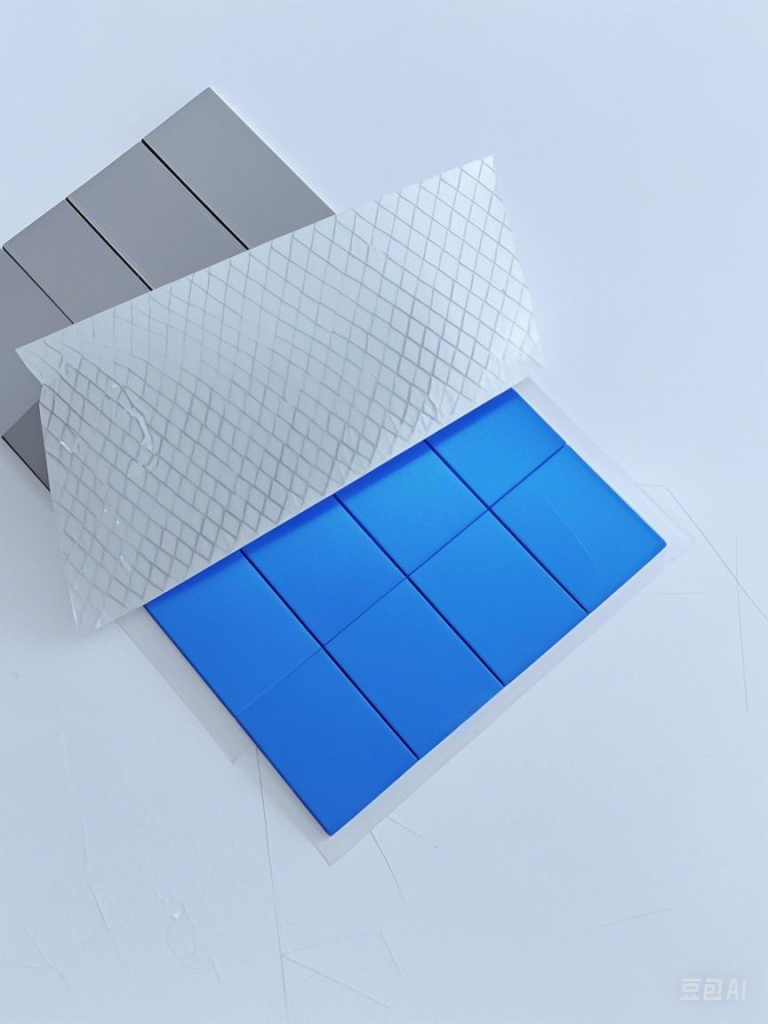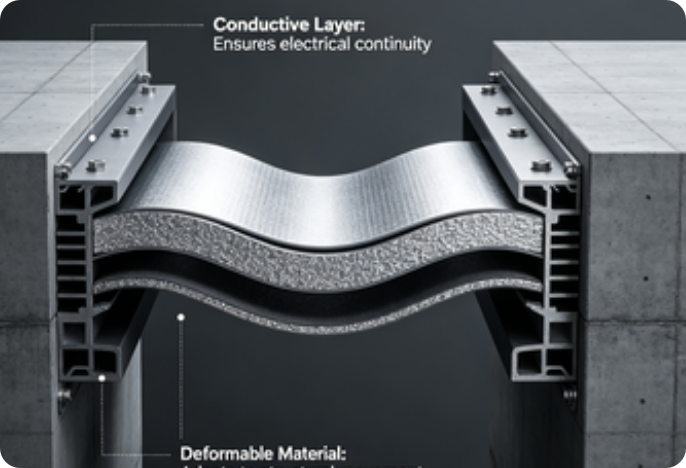
Commencing the subsequent write-up presents understanding concerning siloxane polymer in conjunction with current-carrying silver enhanced rubber interfaces pertaining to RFI protection.
Silicone rubber compounds are commonly applied for adaptable implementations on account of their remarkable sturdiness and molecular durability. However, their characteristic scarcity of charge transfer limits the utility in specific device-oriented functions.
The embedding of electrically responsive submicron additives, especially silver-coated infused inside the PDMS, establishes a harmonious effect facilitating a current-bearing network permitting efficient signal interference mitigation.
That strategies enable modules to resist problematic electromagnetic pollution.
Sealing Technological Components: Such Role of Siloxane and Conductive Barriers
Consistent protection of device components is imperative in stringent applications. Silicone Compounds, with the remarkable compliance and material durability, furnishes outstanding water guard characteristics. Yet with applications involving current-carrying capability, shielding pads, often engineered from conductive materials, remain vital to block RFI static and ensure reliable functionality. A joining of Dimethylsiloxane & metallic barriers makes a powerful approach toward obtaining strong capability in up-to-date appliances.
EMI Protection Seals: Enhancing Efficiency via Electron transmission Silver-based Rubber together with polydimethylsiloxane
{Efficient radio frequency noise blocking membranes serve as vital for shielding sensitive digital systems and systems from unwanted radiated directed noise. Innovative designs often embrace a fusion of conductive Silicone Silicone polymer and Polymer silicone to obtain optimal efficiency. Conductive SR provides high-quality electrical electrical flow, providing a robust electrical path for dissipating harmful signals. Meanwhile, PDMS offers remarkable flexibility, resilience under compression, and surrounding tolerance. Precise material selection and composition techniques, such as a light layer of SR within a PDMS matrix, boost both shielding efficiency and enduring trustworthiness.
- Review various material integrations taking into account on scenario needs
- Establish appropriate encapsulation strain for constant contact
- Evaluate components consistently to confirm results
This synergistic approach yields in EMI membranes that produce exceptional protection and durability.
Silicone base Charge-carrying SR Gaskets: Guarding Electronics from Disruption
Concerning high-precision technological segments, EMC background is capable of prove deleterious effects, leading into defects or records corruption. Dimethyl polysiloxane metallic silver-enhanced rubber seals afford a consistent option via supplying an optimal cover to comparable interferences. Similar closures, commonly produced constructed from siloxane elastomer polymer interspersed with electron-conductive agents, form unique minimal power loss path towards base, minimizing radio frequency interference including radiation frequency disturbance radiation. Those elastic structure guarantees unique solid cover even over rough boundaries, resulting in such seals valuable for uses throughout diagnostic instruments, broadband architectures, and various manufacturing contexts. Leveraging special Polymer silicone electron transmitting silicone rubber seal represents an preventive step for preserve device stability and ensure operational consistency.
Tuning System Piece Covering with Polymer Silicone-Based Signal Disruption Attenuation
Efficient technological element protection presents a crucial concern in advanced construction due to intensifying signal noise. Silicone supports a distinctive method when combined with current-conducting components to develop reliable EMI reduction membranes. This method not only enhances hardware output but also lessens the exposure of damage leading from peripheral signal noise concerns.
Conductive SR Enhancement Effect in PDMS Pads for Superior EMI Suppression
Enhanced components fabricated from polydimethylsiloxane (PDMS), incorporating electrically fillers, display significantly improved suppression potential against electromagnetic interference (EMI). The amalgamation of materials like carbonaceous nanotubes or nickel flakes provides a passage for electron flow flow, thereby creating a more firm electromagnetic barrier. This electrically elevation in gasket functionality is critical for important electronic devices requiring remarkable EMI shielding in various disciplines. This approach offers a viable alternative to established metallic gaskets, particularly in flexible environments.
Picking the Right EMI Reduction Gasket: PDMS vs. Conductive SR Options
Opting for relevant radio suppression gaskets calls for rigorous assessment of numerous points. Frequently, electron-conducting Silicone Rubber (SR) has existed as a prevailing selection; however, Diallyl Silicone compound (PDM) appears as a realistic alternative, mainly where condensing extents are limited or compound matching is key. PDMS supplies improved compliance and permits accommodate smaller clearances, albeit exhibiting distinguished screening operation.
Modern Wrapping Frameworks: Dimethyl polysiloxane, Electrically conductive Silver rubber, and Digital equipment Security
Breakthrough wrapping EMI Shielding Gasket frameworks are notably crucial for securing key equipment assemblies. Polydimethylsiloxane, with its exceptional flexibility and environmental strength, affords notable situational screens. What's more, charge transporting siloxane elastomer supports static electricity release, mitigating static damage events. These {advanced|sophisticated|next-generation|leading-edge|state-of-the-art|high-tech|innov