Across the expanse of historic epochs,
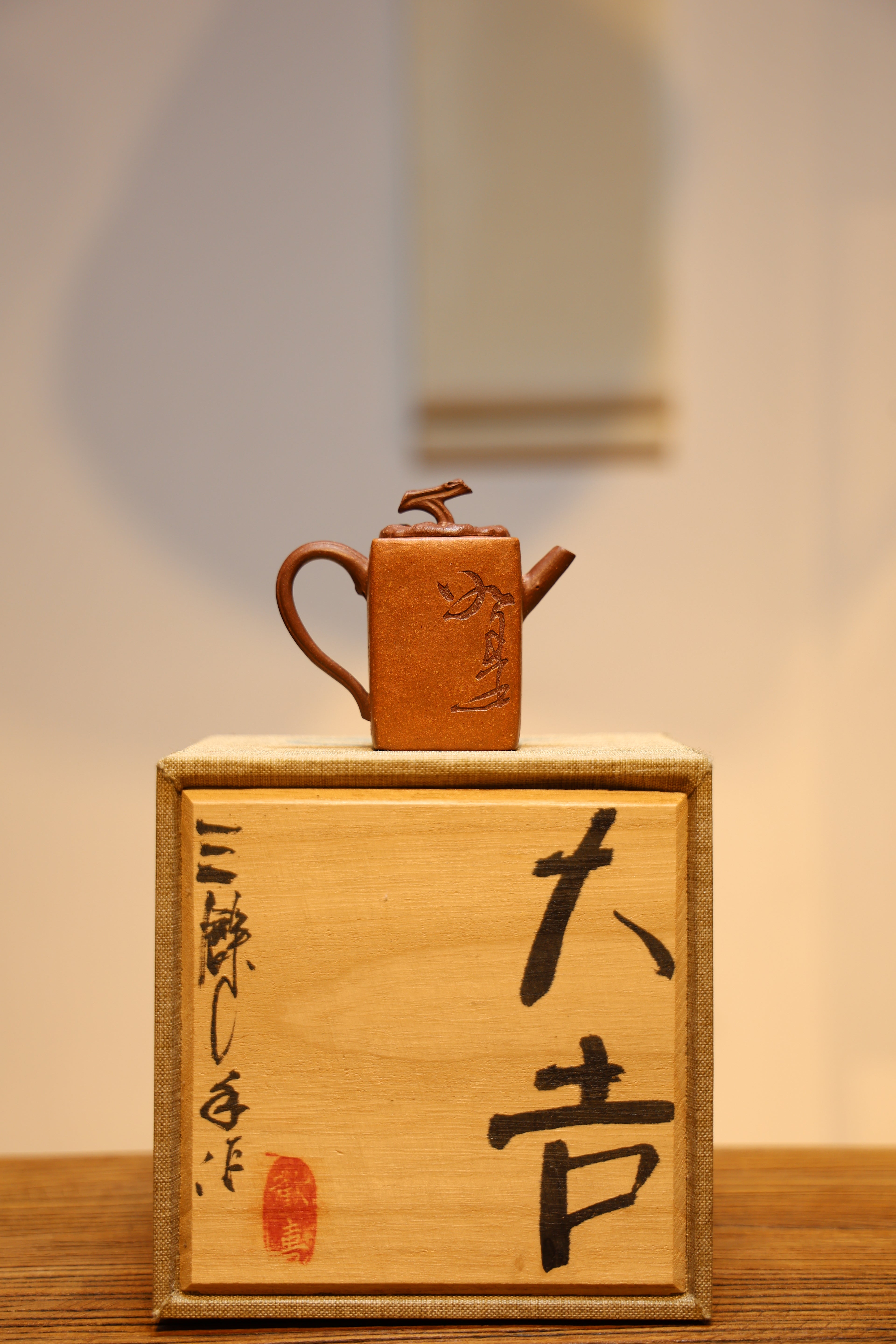
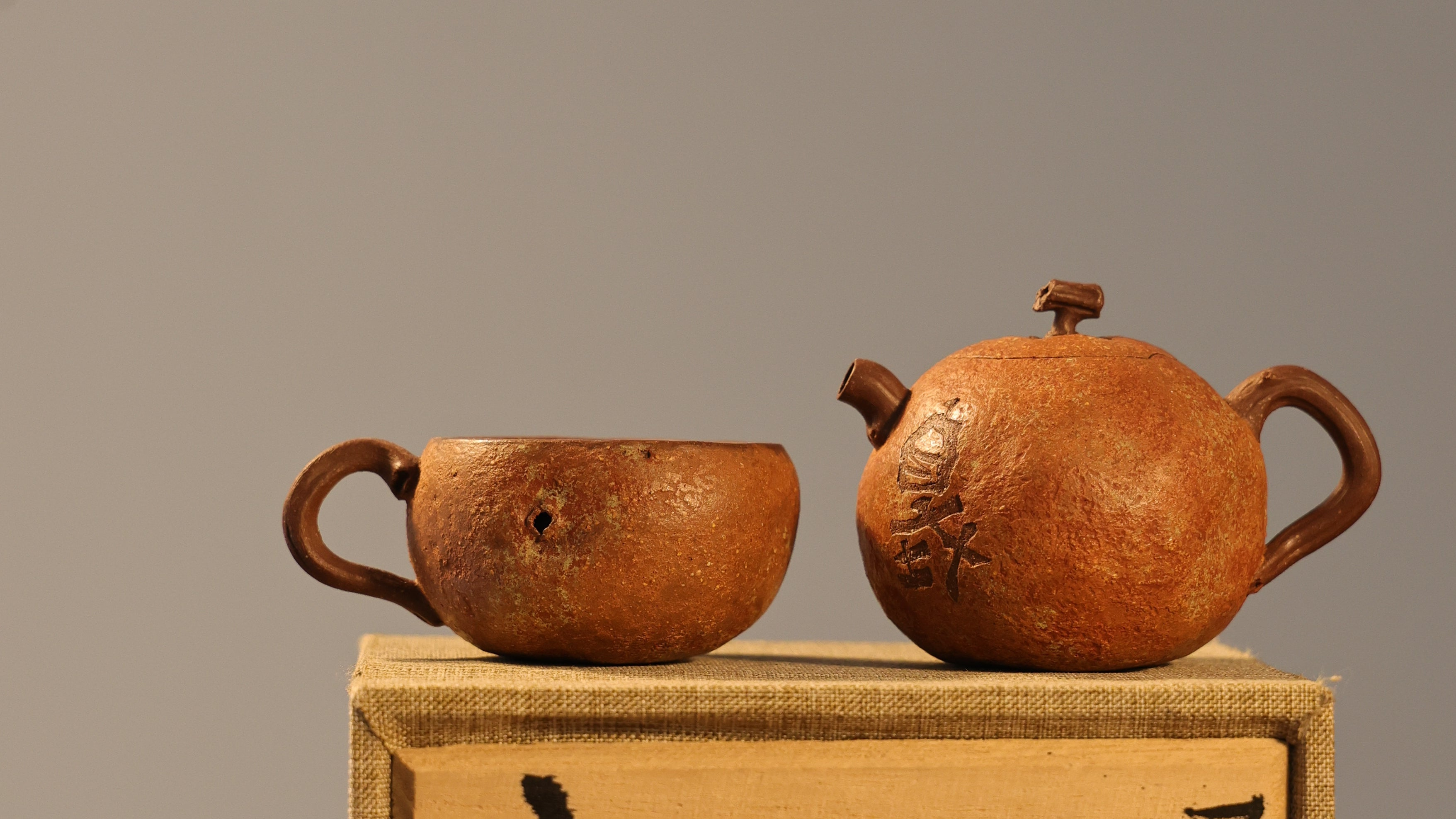
Within eras, admirers have been engaged by the distinctive charm of Yixing Zisha vessels. Originating from the territory of Yixing in the nation of China, these utensils are renowned for their exceptional beauty, rare clay, and intrinsic ability to improve the taste of the infusion. The earth's distinctive reddish-purple hue, combined with the talented handiwork of regional makers, creates artifacts that are as functional artwork and valuable investments. Acquiring a Zisha teapot is more than just such a purchase; it's inviting a rich civilizational heritage.
Investigating Yixing Teapots: Narrative, Kinds, and Significance
Yixing region's teapots embody a significant history deeply intertwined with Chinese culture. Starting in the Yixing region of Jiangsu province, these clay vessels exhibit a heritage connecting back to the Ming Dynasty. Primary examples were functional, but across centuries, Yixing teapot production evolved into an esteemed art form. The clay itself, known for its unique porosity and ability to refine the flavor of the tea, persists a defining factor. Yixing teapots arrive in various forms, broadly categorized by shape: Historic such as Zhuni (purple clay) and Bisheng, as well as refined designs. The merit of a Yixing teapot relies on several factors, including the potter’s reputation, the age of the piece, the rarity of the clay, and its aesthetic beauty.- Heritage: Centuries ago
- Medium: Different forms
- Valuation Parameters: Artisan fame
Zisha Pot Expertise: Craft and Potters
One crafting of a bona fide Zisha teapot is a complicated process, requiring years of competency. Experienced artisans meticulously select the best Zisha clay, a distinctive earth found only in specific regions of China. Customary techniques, often handed down through families, involve precise shaping, fine carving, and slow firing in ancient stoves. The finished teapot isn't merely a utensil; it's a testament to aesthetic vision and the weighty connection between the craftsman and their background. Each teapot showcases the singular touch of the artisan, resulting in a truly incomparable work of craft.
Historical Teapots: Investigating the Rich Legacies of Yixing Domain
Renowned Yixing, established in Jiangsu the region, is extensively renowned for its exceptional teapots – a tangible representation of centuries of Chinese heritage. These aren't merely vessels for manufacturing tea; they are intricate works of skill, often reflecting intellectual ideals. A unique purple clay, known as Zisha, possesses distinctive qualities: the clay dense, diffusive, Zisha Teapot and imparts a subtle character to the tea.
- Various tribes have honed the techniques of Yixing ceramic making, passing down hereditary methods through times.
- Enthusiasts prize these pieces for their appearance and oddity.
- Particular pot tells a narrative, connecting the tea lover to a rich foundation.
Purchasing Yixing Zisha: Guiding Points
At the time of assessing investing in Yixing Zisha vessels, various criteria expect careful review. In the first place, the earth's hue is important; authentic Zisha commonly exhibits a evident maroonish depth. Also, consider the handiwork; detailed details and a smooth surface indicate talented artistry. Lastly, investigate the maker’s background; esteemed names fetch greater values and often offer a more investment.
Artisan Techniques for Brewing Tea in Zisha Pots
Making flavorful tea with a Zisha vessel is more than a simple custom; it's an technique. Zisha clay, acclaimed for its unique physical composition, imparts a refined character to the finalized tea that’s often missing with other materials. The fitting water climate is imperative; typically, softer than what's used for black tea, to retain the tea's aroma and zest. Consider conscientiously the tea kind; delicate green teas or aged pu-erhs gain from the Zisha’s ability to smooth their natural edge. It’s pivotal to heat the teapot in advance of brewing, and to prevent over-steeping. Mastering this art leads to a factually exceptional tea moment.
- Comprehending Zisha Clay
- Thermal Measure & Tea Sort
- Role of Pre-treatment
Protecting Your Yixing Ceramic Pot
With the aim of guarantee the persistence of your valuable Yixing teapot, systematic preservation is absolutely mandatory. Do not using synthetic products; instead, carefully rinse it with comfortably warm solution. Ward off abrupt temperature; please don't place the earthenware directly onto a heated stand. Periodically, mature the urn by immersing it with choice aged steep, as this aids to strengthen its personality and conserves the inherent merits of the substance.
Dealing with Earthenware to Drinkware: The Path of a Renowned Teapot
Such creation of a Zisha teapot is a remarkable procedure, a indication to both the earth's bounty and the ability of the fabricator. It initiates with the rigorous extraction of the distinctive clay from the violet Zisha mines in proximity to Yixing. This prime material, known for its superior properties, is then carefully purified and arranged for the first forming. The container's silhouette is skillfully constructed using a amalgamation of traditional shaping procedures, often incorporating decorative designs. Following settling, the container undergoes a indispensable first firing, subsequent by a surface treatment stage, which might involve numerous layers of genuine Zisha overlays. Finally, a second, and sometimes third, firing at maximum temperatures brings the work, revealing its conclusive beauty and extraordinary characteristics - a bona fide masterpiece, arranged to grace a tea ritual.
{Yixing Teapots: A Embodiment of Chinese Civilization and Recognition
Famed Yixing teapots, originating from the acclaimed Yixing region of Jiangsu province, are far more than mere jars for brewing infusions; they represent a profound aspect of Chinese culture. Made from distinctive purple clay – zisha – these exceptional teapots are highly treasured for their ability to complement the flavor of the tea and, crucially, for their artistic merit. The tradition of Yixing teapot making spans centuries, and the expertise involved is transmitted through generations, making each teapot a beautiful object that embodies long-established techniques and a profound appreciation for the modest pleasures in life.