Cheers,
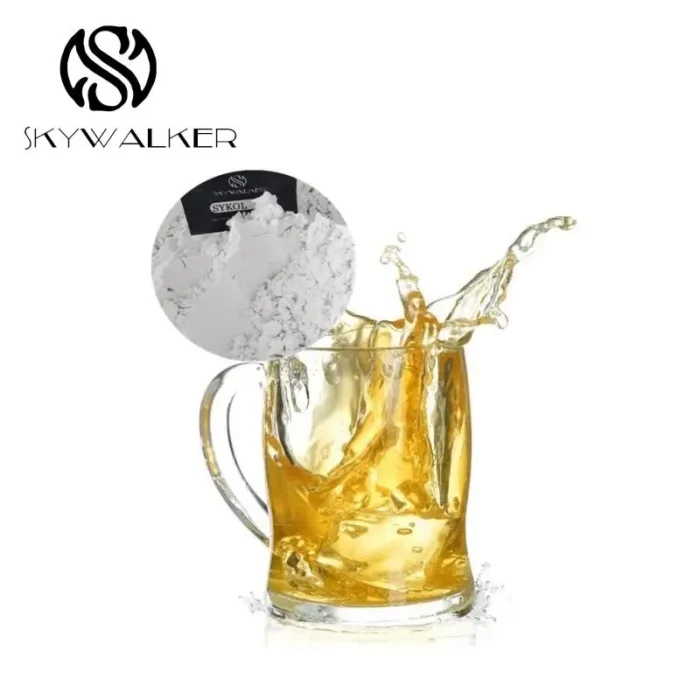
Diatomaceous particle, generally termed diatomaceous earth, represents a remarkable authentic filtration process. Recovered from the fossilized remains of microscopic microorganisms, this granular material boasts a unique structure – millions of tiny, void chambers creating a large surface area. This pattern provides exceptional cleansing capabilities, effectively removing impurities from moisture. It’s a secure and natural choice to chemical filters across various domains, including pool filtration, beverage processing, and crop systems.
Diatomite Filter Aid: An In-Depth Overview for Better Clarity
Obtaining pristine benefits in your filtration projects often relies on effective screening methods. Diatomite filter aid, a efficient natural powder, offers a major improvement, acting as a layer to capture particles that would otherwise pass through your filter. This guide will analyze how diatomaceous earth – often simply called diatomite – works, its manifold applications in liquid clarification, and functional tips for top performance. Proper implementation of diatomite can dramatically lift the cleanness of your final beverage, leading to extraordinary taste and view.
Insight into Kieselguhr: Employments, Advantages, and Precautions
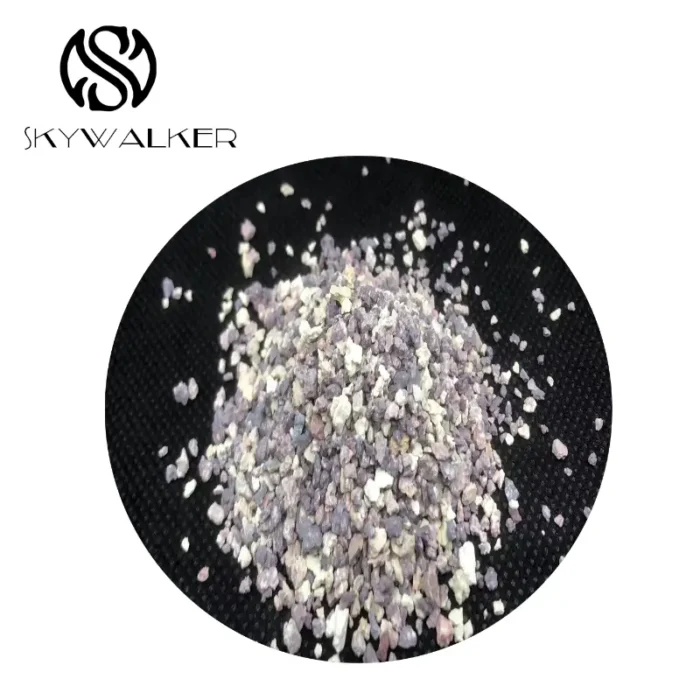
Mineral deposit, also known as diatomaceous powder, is a frequent sedimentary layer composed of the fossilized remains of phytoplankton. It's primarily constructed from silicon dioxide, siliceous mineral, and has a extremely porous structure. This unique composition lends itself to a diversity of applications across diverse markets. Here's a look at its utilizations:- Separation: Widely used in purification processes and fermentation to remove undesirables.
- Arthropod Suppression: Acts as a harmless insect management by damaging the exoskeletons of insects.
- Buffing: Employed as a soft polisher in metal refinishing.
- Drug & Food: Can be added to anticaking substances and fillers in certain mixtures.
Deciding on each Suitable Filtering Aid Material: Suggestions pertaining to Individual Operation
Selecting any prime clarification aid powder form stands as crucial to perform ensuring productive filtering during your activity. Assess thoroughly components comprising particle extent, flow movement, cake composition, and chemical compatibility with your mixture. Regular forms feature diatomaceous compound, perlite and cellulose threads, each supplying distinct performance characteristics. Suitable evaluation of these components will enable you select most most aligned filtering aid approach.
Fossil Filter vs. Separate Separating Materials: Optimal Selection?
Once deciding a straining aid for your application, countless choices are found beyond solely fossil powder. While microfossil matter remains a common remedy due to its minuscule particle range and excellent screening performance, substitutes like expanded perlite and organic threads equip distinct merits. All things considered, the perfect picking focuses on factors such as charge, capability, correlation with your individual solution and the specified rank of purification.
Diatomite Mechanics: Build and Refinement Aspects
Kieselguhr is a distinctive sedimentary layer formed from the fossilized remains of microalgae. These tiny organisms possess intricately designed silica carapaces, termed capsules, exhibiting a networked structure with a mesh of micro pores and conduits. This architecture grants siliceous earth its exceptional clarification capabilities; the vast surface area and connected pore extent allow it to effectively seize distributed matter from moist mediums and gassiness. Ergo, it's publicly utilized in various filtration applications, including water purification, beverage clarification, and medicinal production.Eco-Friendly Filtering: Examining Siliceous Filter Options Choices
Growing concerns regarding water cleanliness and sustainability bearing are encouraging a investigation for modern clarifying systems. The especially promising fix involves microscopic fossil dust, a intrinsically existing sedimentary material composed of the skeletons of very small algae. Differing from standard purification systems that predominantly employ on engineered components, diatomaceous diatomite offers a environmentally responsible choice. Its unique openwork framework creates a extremely competent mesh capable of filtering out a wide series of foreign substances from various hydrated origins.
Here's some positives of using diatomaceous earth in separation:
- Supplies excellent separation effectiveness.
- Functions as earth-friendly friendly.
- Exercises a affordable plan.
- Might be harnessed for multiple endeavors.
Self-Made Pool & Pond Cleaning: Using Fossil Powder
Want a clear pool or pond without formulations? Consider using fossilized silica! This natural powder is a strong filter agent. It works by eradicating tiny debris and other sediment calcined diatomite filter aid from the body of water. It’s easy to add it directly to your bathing spot or incorporate it in a DIY pool cleaning mechanism. Continually use safe-to-use diatomaceous earth, as other types can be hazardous to plants. Here's how it can help:
- Clears surface algae
- Improves clearness
- Grants a biodegradable alternative to chemical products
Tracing Globe to Separator: The Path of Fossil Powder
Visualize a element seemingly simple, yet produced over eons – that’s diatomite. It launches as the structures of microscopic algae, diatoms, that flourish in still reservoirs. When these minutest creatures disintegrate, their silicon-laden cell walls descend to the bed of the space of water, amassing over wide periods. These beddings are then submerged under plushes of ancillary sediment, enduring to substantial pressure and heat. Finally, this rock is mined, processed, and transformed into the adaptable filtering agent we recognize as diatomite.