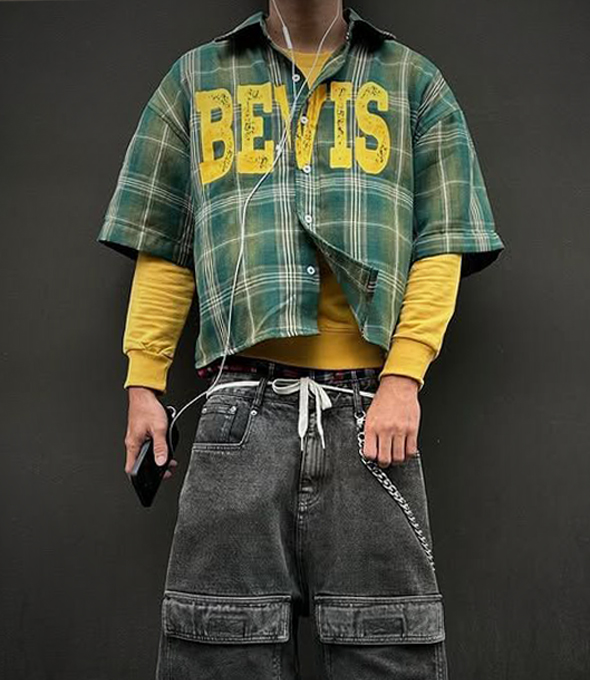
Why Do Rhinestones, Patches, and Embroidery Break Down After Wash Testing in Streetwear Clothing Production?
Some of the loudest pieces in a streetwear collection can die in the quietest moment: the first wash test. A hoodie can look sharp on the rack, the patch can sit clean in sample photos, the rhinestones can hit exactly right under flash, and the embroidery can feel expensive in hand. Then the garment gets washed, dried, handled, and checked again. That is when the weak points stop hiding.
A lot of brand teams run into this when they move beyond flat graphics and basic fleece. The minute a collection starts leaning harder into appliqué varsity details, rhinestone-heavy graphics, dense embroidery, mixed trims, or washed surfaces, the product stops being “just clothing.” It becomes a test of whether the factory really understands decorated streetwear as a product category, not just as a sewing task.
That distinction matters more now because the broader fashion market is under pressure to deliver stronger product value, clearer differentiation, and sharper execution. At the same time, streetwear remains a large category, with Mordor Intelligence estimating the market at USD 218.3 billion in 2026, while clothing still holds the biggest share inside the segment. That means brands still have room to win, but weak product execution gets exposed fast.
Trend direction is also pushing decoration into a more important role. Recent streetwear coverage has pointed to a stronger focus on trims, patches, hardware, layered graphics, and product detail as part of how brands build identity beyond logo placement alone. So when rhinestones, patches, or embroidery break down after wash testing, the issue is usually bigger than one damaged garment. It often signals that the product development system behind the garment was never fully locked in.
Why do embellished streetwear pieces fail after wash testing even when the sample looked right?
They usually fail because the visual sample and the production logic were never fully aligned. In decorated streetwear, a piece can look right before washing but still carry hidden weaknesses in adhesion, stitch density, base fabric behavior, reinforcement, or application order. Wash testing exposes the parts of the garment that styling alone cannot hide.
This is one of the biggest misunderstandings in embellished apparel. A sample can look strong because it was handled slowly, made by a more experienced operator, or built from a cleaner fabric lot. None of that guarantees the decoration will stay stable once the garment is washed, rubbed, flexed, and checked again. Wash testing is where the product stops being a showroom piece and starts acting like real clothing.
That is especially true in streetwear, where decoration often sits on heavyweight fleece, brushed cotton, mesh, denim, or washed jersey. Those fabrics move. They shrink, relax, twist, soften, or harden depending on the finish. If the decoration method was chosen without respecting that movement, the garment can lose impact fast. A rhinestone layout may start lifting at the edge. An embroidered area may pucker because the stitch density was too aggressive for the fabric. A patch may hold in one section and curl in another because the reinforcement underneath was too weak.
Fabrikn makes this point clearly when discussing embellished apparel production:
“Embellished garments require specialized machinery, skilled labor, careful material handling, advanced quality control, and the ability to manage added complexity at every stage of production.”
That is why decorated streetwear should never be treated like a simple add-on. The decoration is not sitting on top of the garment as a separate idea. It is interacting with the garment’s weight, stretch, finish, and use cycle from day one.
What does wash testing actually reveal in decorated streetwear clothing?
Wash testing reveals whether the decoration belongs to the garment or is only sitting on the garment. It shows how color, stitching, adhesion, shrink response, surface abrasion, and trim behavior hold up once the product goes through the kind of handling that real customers, retail teams, and content creators will put it through.
This is where a lot of weak development gets exposed. SDL Atlas notes that wash testing may look at color loss, pilling or fuzzing, cross staining, creasing, and how trims or embellishments performed after laundering. That is a useful reminder because brands sometimes talk about wash testing as if it were one simple pass-or-fail step. It is not. It is closer to a reality check across the whole garment surface.
In streetwear, that reality check gets tougher because decoration is often layered into already aggressive product treatments. A faded hoodie may already be carrying shrink movement from washing. A cracked or distressed graphic may already be introducing surface tension. A football-inspired jersey with patches may already have panel seams, mesh behavior, and contrast materials in play. Once a garment starts carrying multiple variables, wash testing becomes less about laundry and more about structural truth.
This matters because the strongest decorated pieces are not just visually loud. They still have to move like clothing. If the body starts fighting the trim, the product loses the relaxed authority that good streetwear is supposed to carry.
Which factory mistakes usually cause rhinestones, patches, and embroidery to break down?
The biggest factory mistakes usually come from treating embellishment as decoration-only work instead of garment-system work. Most failures trace back to poor fabric matching, weak reinforcement, sloppy process order, unstable heat settings, or decoration teams that are technically able to apply trims but not fully able to build streetwear products around them.
Rhinestones usually fail when application is rushed or the fabric underneath was never meant to carry that kind of heat-set load. The issue is not only whether the stones are attached. It is whether they are attached to a surface that stays stable after wash, handling, and wear. A fleece face that opens up too much after finishing can weaken edge hold. A jersey body with too much movement can turn a clean layout into a broken graphic after just a few cycles.
Patches and appliqué often fail because the factory underestimates how much layering changes the behavior of the garment panel. A patch that looks clean on a flat sample can start dragging the body once the piece is washed and worn. If the edge finish is not right, the patch can curl. If the reinforcement is too soft, the area may ripple. If the application order is wrong, later finishing can damage what looked sharp earlier in development.
Embroidery fails for a different reason. It looks permanent, so people assume it is safe. But embroidery can distort a garment just as easily as weak adhesive can. Fabrikn points out that brands should look closely at stitch precision, alignment, thread tension, and the reverse side of embroidery, because loose threads, puckering, and uneven edges are early warning signs of weak process control. In other words, embroidery is only as strong as the planning behind it.
One more mistake shows up often in streetwear programs: the factory knows how to do each technique in isolation but does not know how to sequence them inside one product. That is where decorated hoodies, tees, denim, and varsity styles start breaking down. The problem is not “Can you do rhinestones?” or “Can you do embroidery?” The real question is whether the team knows what happens when heavy wash, layered graphics, thick fleece, and multi-material decoration all meet on the same garment.
How should streetwear brands audit a factory before approving embellished products?
Brands should audit decorated-garment factories by checking proof of category experience, in-house control, fabric compatibility knowledge, test discipline, and communication during development. A factory that can only show attractive samples is not enough. Streetwear teams need evidence that the supplier can protect the look after wash, wear, and production pressure.
The first thing to check is whether the factory has real experience with decorated clothing in categories that actually resemble your line. A plant that is good at ordinary tees may still be the wrong fit for rhinestone jerseys, patch-heavy outerwear, or dense embroidery on washed fleece. The technical gap can be huge, even if both factories call themselves apparel manufacturers.
The second thing is process ownership. Which decoration steps are handled in-house, and which are pushed out? Outsourcing is not automatically a deal-breaker, but every external step adds another point where alignment can drift. The more layered the garment, the more that risk matters. That is why many brand teams reviewing an industry comparison of specialized pay close attention to whether a factory is actually built for streetwear-focused decoration and finishing rather than general apparel output.
The third thing is testing discipline. Fabrikn recommends checking whether embellished garments are tested for wash resistance, rubbing resistance, stretch recovery, and long-term appearance. That is the right approach because these products are not judged by lab language alone. They are judged by what still looks sharp after movement, heat, storage, shipping, content shoots, and customer wear.
A useful audit framework looks like this:
For brands looking at more technique-driven programs, some teams such as are often discussed in the market as a with stronger focus on heavyweight fabrics, washes, and decoration-heavy categories. The key point is not to force one name into every decision. It is to compare factories based on actual decorated streetwear depth.
Why is this issue becoming more important for premium streetwear collections right now?
It matters more now because premium streetwear is being pushed toward better product value, sharper detail, and more visible craftsmanship at the exact same time that buyers are becoming more selective. When decorated garments fail after wash testing, the product loses not only surface appeal but also the trust signal that premium clothing now needs to earn.
McKinsey’s latest fashion outlook says brands are operating in a market shaped by value-conscious shoppers, pressure on margins, and a stronger need for differentiators that people can notice. That matters for streetwear because differentiation today is not only about graphics or hype. It is often built through feel, finish, trims, hardware, and the kind of detail work people pick up in close product shots and try-on content.
Mordor Intelligence also shows that while the mass segment still holds the larger share of streetwear, premium and luxury streetwear continue to expand. That makes decorated garments even more important. If the product is positioned above the basic end of the market, customers expect more than surface flash. They expect the piece to feel deliberate.
Trend direction backs that up. Trendalytics highlights stronger movement toward nostalgia-driven graphics, elevated materials, durable construction, and more expressive product storytelling. THE/STUDIO likewise argues that patches, labels, appliqué, hardware, and upgraded hoodie details are taking on more of the branding work in modern streetwear. Put those signals together and the message is simple: if decorated products are doing more of the identity work, then decoration failure hurts more than it used to.
That is also why article structure, product education, and sourcing communication matter more now in search. McKinsey notes that AI-assisted discovery is becoming a more important part of how consumers search and compare fashion products. So the brands and factories that can clearly explain why a decorated garment was built the way it was have an edge in both product trust and search visibility.
What should brand teams lock before bulk production if they want decorated pieces to survive real wear?
Before bulk production, teams should lock the base fabric, test method, decoration sequence, reinforcement choices, placement references, and post-wash approval standard. The goal is not to make embellished streetwear feel over-engineered. The goal is to protect the original attitude of the garment once it moves through real washing, handling, and release pressure.
This is the part that separates a cool sample from a strong program. If the base fabric is still shifting, the decoration result is not locked. If the patch size is approved but the edge finish is still open, the visual result is not locked. If the rhinestone application works on a pre-wash sample but not on the washed body, the product is not locked. Decorated streetwear only becomes commercially ready when the look and the wear behavior stop fighting each other.
The cleanest teams usually treat that moment as a product truth point. They are no longer asking whether the garment can be made. They are asking whether this exact version of the garment should be the one that goes forward. That sounds simple, but it saves collections.
Streetwear has always rewarded pieces that carry attitude. Right now, though, attitude has to survive contact with real use. If rhinestones, patches, and embroidery break down after wash testing, that usually is not bad luck. It is the product telling the brand that something deeper in the development chain still needs work.
Why Are Nearshoring Hubs Struggling with Complex Streetwear Production? The Limits of Local Sourcing for Established Brands
If you’ve been talking to product development teams at established streetwear brands recently, you’ll notice a recurring frustration. On paper, moving production closer to home sounds like the ultimate supply chain fix. The pitch is always the same: cut shipping times, reduce geopolitical headaches, and keep a tighter grip on the development process. So, brands start pulling their tech packs from Asia and sending them to nearshoring hubs in places like Portugal or Mexico. They expect the same heavyweight fleece, the same distressed finishes, and the same exaggerated stacking on their denim, just delivered faster.
But what usually happens next is a harsh reality check. A facility that looks perfectly capable of churning out thousands of basic crewnecks suddenly stalls when handed a tech pack for a washed boxy hoodie with intricate appliqué and custom hardware. The truth is, streetwear isn't just another category of casualwear. The visual identity of these garments relies on complex cut-and-sew techniques, specific fabric weights, and multi-layered treatments that most nearshoring facilities simply aren't built to handle. For independent brands with real traction, the realization hits hard: local sourcing might solve logistics problems, but it often creates massive product execution problems.
Why Do Nearshoring Facilities Struggle with Intricate Cut-and-Sew Streetwear?
Quick Answer: Nearshoring hubs excel at producing basic apparel but often lack the specialized technical expertise, integrated fabric sourcing networks, and advanced machinery required for complex streetwear. Their infrastructure is optimized for straightforward assembly rather than the multi-layered construction, custom fits, and heavy fabric manipulation that define premium streetwear collections.
When a brand decides to test a nearshoring partner, the first cracks usually appear during the sampling phase. A factory in Portugal might do an excellent job on a standard jersey t-shirt, but streetwear demands a different level of technical discipline. Consider a cropped football-inspired jersey or a distress-heavy zip hoodie. These aren't just patterns that need to be sewn together; they require an understanding of how fabric weight changes the way a silhouette sits on the body.
The core issue lies in the depth of the local ecosystem. In many nearshoring regions, the workforce is trained for efficiency in basic garment construction. They lack the deep bench of artisans and technicians who spend years mastering specific streetwear techniques. When a design calls for embroidery that adds dimension to otherwise flat graphics, or washing that gives a new product instant visual age, these factories often have to outsource those steps or attempt them with inadequate equipment.
Furthermore, the fabric sourcing options in these hubs are often restricted. A factory in Mexico might have to import the specific 400gsm French terry or the exact custom trims a brand requires, which immediately negates the speed advantage of nearshoring. When you separate the garment assembly from the textile production and finishing facilities, you introduce friction. Every time a component has to cross a border or move between specialized facilities, the risk of miscommunication and delays increases, making the development of custom streetwear significantly harder.
How Does China’s Apparel Manufacturing Infrastructure Support Advanced Streetwear Innovation?
Quick Answer: China’s manufacturing ecosystem provides vertically integrated supply chains, combining textile mills, dyeing houses, and specialized garment factories. This density allows for rapid iteration of complex treatments, custom fabric development, and advanced construction techniques that are essential for premium streetwear brands.
The conversation around sourcing often oversimplifies the role of Asian manufacturing, treating it merely as a cost-saving measure. However, for procurement teams handling complex product lines, the real draw is the infrastructure. China's apparel manufacturing sector has evolved far beyond basic assembly. It operates as a highly integrated ecosystem where the distance between a fabric mill, a specialized dye house, and a cut-and-sew facility is often measured in minutes rather than days or weeks.
This vertical integration is crucial when developing products that require multiple specialized steps. Imagine developing a pair of flare denim with exaggerated stacking and a specific acid wash finish. In a fragmented supply chain, coordinating the raw denim sourcing, the precise pattern cutting, the heavy-duty sewing, and the final chemical wash is a logistical nightmare. In established Chinese hubs, these processes are deeply connected. The factories understand how the wash will affect the shrinkage of that specific denim, allowing them to adjust the initial pattern accordingly.
Moreover, these regions have fostered innovation clusters where new print technologies, fabric treatments, and construction methods are constantly being tested. When an established streetwear brand wants to experiment with mixed-media decoration—combining DTG printing with puff print and rhinestone detailing on a single heavyweight garment—they need a partner with the machinery and the technical foresight to execute it without destroying the fabric. This level of capability is why many brands evaluating a curated look at in China ultimately realize that the depth of the supply chain matters more than geographic proximity.
What Are the Hidden Costs of Moving Complex Production Away from Specialized Hubs?
Quick Answer: Moving complex streetwear production to less specialized nearshoring hubs often results in hidden costs related to extended development cycles, compromised product details, higher material import fees, and the need for constant hands-on intervention from the brand’s product team.
The allure of nearshoring is often driven by a spreadsheet calculation: shorter shipping distances equal lower freight costs and faster turnaround. But product developers know that the true cost of manufacturing isn't just the final invoice; it's the friction encountered along the way. When you force a complex streetwear design into a factory optimized for basics, the hidden costs begin to pile up rapidly.
The most immediate impact is usually seen in the development cycle. A factory unfamiliar with the nuances of a boxy, oversized fit might require three or four sample iterations to get the shoulder drop and body length correct. Each iteration burns time and resources. Furthermore, because these factories often don't have established relationships with premium streetwear fabric mills, they may substitute materials or charge a premium to import the correct heavyweight cotton or specialized hardware.
There is also the cost of compromised design. If a factory struggles with a specific distressing technique or cannot achieve the exact enzyme wash required, the brand faces a difficult choice: accept a diluted version of their original vision or pull the product entirely. For brands with validated market demand, diluting the product is rarely an option, as their customer base is highly sensitive to the tactile and visual details of the garment. This is why many procurement teams find that working with an experienced —even one located overseas—actually reduces overall development friction because the factory anticipates design challenges and proactively offers solutions.
How Can Brands Ensure Their Quality Management Systems Support Complex Sourcing?
Quick Answer: Brands must build robust quality management frameworks that move beyond basic tech packs. This involves establishing clear tolerances for complex finishes, conducting rigorous pre-production testing for washes and prints, and selecting manufacturing partners whose internal quality control aligns with streetwear standards.
The challenge of sourcing for streetwear isn't just finding a factory that can make a good sample; it's finding a partner capable of executing that standard across a full production run. This is where the conversation shifts from mere manufacturing capability to the strength of quality management systems. For streetwear brands with proven sales, the focus must be on establishing processes that control the variables inherent in complex production.
A standard tech pack is often insufficient for garments involving heavy washes, intricate embroidery, or unconventional fits. Brands need to provide comprehensive reference materials and establish clear acceptable tolerances. For instance, when dealing with a vintage wash, the exact shade and level of fading will naturally vary slightly from piece to piece. A strong quality management system defines exactly how much variation is acceptable before a piece is considered defective.
Furthermore, this requires a manufacturing partner that doesn't just execute instructions blindly but actively participates in risk assessment. A specialized streetwear factory will review a tech pack and immediately flag if a chosen fabric is too light to support a dense embroidery patch, or if a specific wash will compromise the integrity of the zipper tape. Some manufacturers, such as , focus specifically on heavyweight fabrics and complex finishing techniques, integrating rigorous testing phases before bulk production begins. This proactive approach to quality control is what separates a transactional vendor from a strategic production partner.
What Should Procurement Teams Prioritize When Evaluating Long-Term Production Partners?
Quick Answer: Procurement teams should prioritize a manufacturer's proven experience with streetwear-specific construction, their ability to source premium materials locally, their internal quality control systems for complex finishes, and their capacity to handle pre-scale product validation.
As streetwear brands mature and their collections become more ambitious, the criteria for evaluating production partners must evolve. The focus shifts away from simply finding the lowest quote or the closest factory, and moves toward identifying partners who understand the cultural and technical nuances of the product.
First, procurement teams must look beyond a factory's general apparel portfolio. A facility that produces excellent corporate uniforms or basic sportswear is not necessarily equipped to handle the structural demands of a stacked denim pant or a multi-panel cut-and-sew jacket. Teams should request case studies or physical samples of garments that demonstrate the factory's ability to manage heavyweight materials, complex wash recipes, and precise graphic placements.
Second, the evaluation must deeply consider the factory's supply chain ecosystem. Can they source the required 300gsm French terry without excessive delays? Do they have established relationships with specialized dye houses and embroidery workshops? A factory that has to outsource every complex step is a factory that introduces multiple points of failure into your production timeline.
Finally, brands must assess the manufacturer's approach to pre-scale validation. Before committing to large volumes, brands need a partner who supports strategic flexibility—allowing for rigorous testing of new concepts, fits, and finishes. This ensures that when the product does move into full-scale production, the quality management systems are already calibrated to the specific requirements of the design, protecting the brand's reputation and ensuring the final product resonates with their audience.
How Do Changing Consumer Expectations Force Manufacturing Upgrades?
Quick Answer: Today’s streetwear consumers are highly educated about garment construction, demanding premium fabrics, precise fits, and durable finishes. This forces brands to upgrade their manufacturing partners from basic assembly lines to specialized factories capable of executing complex tech packs with rigorous quality control.
If you look closely at how the streetwear market has evolved over the past five years, the most significant shift isn't just aesthetic—it's structural. The era where a brand could slap a screen-printed logo on a basic 180gsm blank t-shirt and sell out a drop is largely over. Consumers have become incredibly sophisticated. They can feel the difference between standard cotton and a heavyweight 260gsm jersey. They understand the drape of a boxy fit versus a standard block, and they scrutinize the depth of an acid wash or the density of an embroidery patch.
This heightened consumer awareness places immense pressure on product development teams. When the end-user expects a premium tactile experience, the manufacturing process must rise to meet that expectation. A brand with proven sales can no longer rely on a factory that treats every order as a generic apparel job. They need a partner who understands that the weight of the fabric changes the entire silhouette, and that the placement of a graphic isn't just a suggestion—it's a critical component of the design's visual balance.
This is why many established streetwear brands are re-evaluating their supply chains. They are moving away from facilities that simply execute instructions and moving toward partners who act as an extension of their design team. These specialized manufacturers understand that achieving the perfect vintage fade or the correct distressing on a hem isn't an accident; it's the result of precise, repeatable processes. When a factory can consistently deliver this level of execution, it protects the brand's reputation and justifies a premium price point in a crowded market.
Why Is Pre-Production Planning Critical for Complex Streetwear Collections?
Quick Answer: Comprehensive pre-production planning is essential for complex streetwear to identify potential construction failures, finalize wash recipes, and establish clear quality tolerances before bulk manufacturing begins, thereby preventing costly delays and ensuring the final product matches the design intent.
The most dangerous phase in streetwear production isn't the final sewing; it's the gap between an approved sample and the start of bulk manufacturing. For independent brands with real traction, this is where the majority of costly mistakes occur. A sample might look incredible in the design studio, but if the factory hasn't established a robust pre-production plan, that same design can become a disaster when scaled up to hundreds or thousands of units.
Consider a multi-panel tracksuit featuring contrasting heavyweight fleece and nylon inserts. During sampling, a skilled technician might carefully manage the different shrinkage rates of these materials. However, if that knowledge isn't translated into a strict pre-production protocol, the bulk run could result in twisted seams and mismatched panels. A specialized streetwear manufacturer will insist on a rigorous pre-production phase where every variable is tested. They will finalize the exact wash recipe, document the precise thread tension required for heavy embroidery, and establish clear, measurable tolerances for acceptable variation.
This level of planning requires a collaborative relationship between the brand's product team and the factory's technicians. It involves asking the right questions early: Will this specific dye lot hold up to the enzyme wash? Is the chosen zipper hardware robust enough for a 400gsm hoodie? By addressing these technical challenges before the fabric is cut, brands can significantly reduce the risk of inconsistent bulk production and ensure that their carefully planned drop schedules are met without compromising on quality.
How Does Streetwear Culture Influence the Choice of Manufacturing Partners?
Quick Answer: Streetwear culture demands authenticity, which translates into specific requirements for fabric texture, graphic placement, and silhouette. Brands must choose manufacturing partners who understand these cultural nuances, ensuring the final garments resonate with the community rather than feeling like generic apparel.
Streetwear is fundamentally different from traditional fashion categories because it is deeply rooted in specific cultural movements—from skate and hip-hop to vintage workwear and Y2K aesthetics. These cultural origins dictate not just the look of the clothing, but how it should feel and wear over time. When a brand designs a piece inspired by 90s skate culture, they aren't just looking for baggy pants; they are looking for a specific type of durable denim, a particular wash that mimics years of wear, and hardware that feels authentic to the era.
If a brand attempts to produce these culturally specific garments in a factory that only understands mainstream casualwear, the results often feel sterile. The factory might execute the tech pack perfectly from a technical standpoint, but the garment will lack the "soul" that streetwear consumers demand. A specialized manufacturer understands the unwritten rules of the genre. They know that a graphic on a vintage-inspired tee shouldn't look pristine; it should have a subtle crackle that suggests age. They understand that an oversized hoodie needs a specific drop shoulder and a tight ribbed hem to achieve the correct stacked look, rather than just being a larger size of a standard block.
This cultural alignment is a critical factor for established streetwear brands when selecting a production partner. They need a factory that speaks their language—a team that understands why a 2-centimeter difference in graphic placement or a slight adjustment to a wash formula can make or break a product's reception in the market. By partnering with manufacturers who grasp these cultural nuances, brands can ensure their collections maintain their authenticity and continue to resonate deeply with their audience.
 streetwear apparel manufacturers Groovecolor custom streetwear manufacturer streetwear apparel factories custom streetwear manufacturer Groovecolor