Within the sphere of enduring traditions,
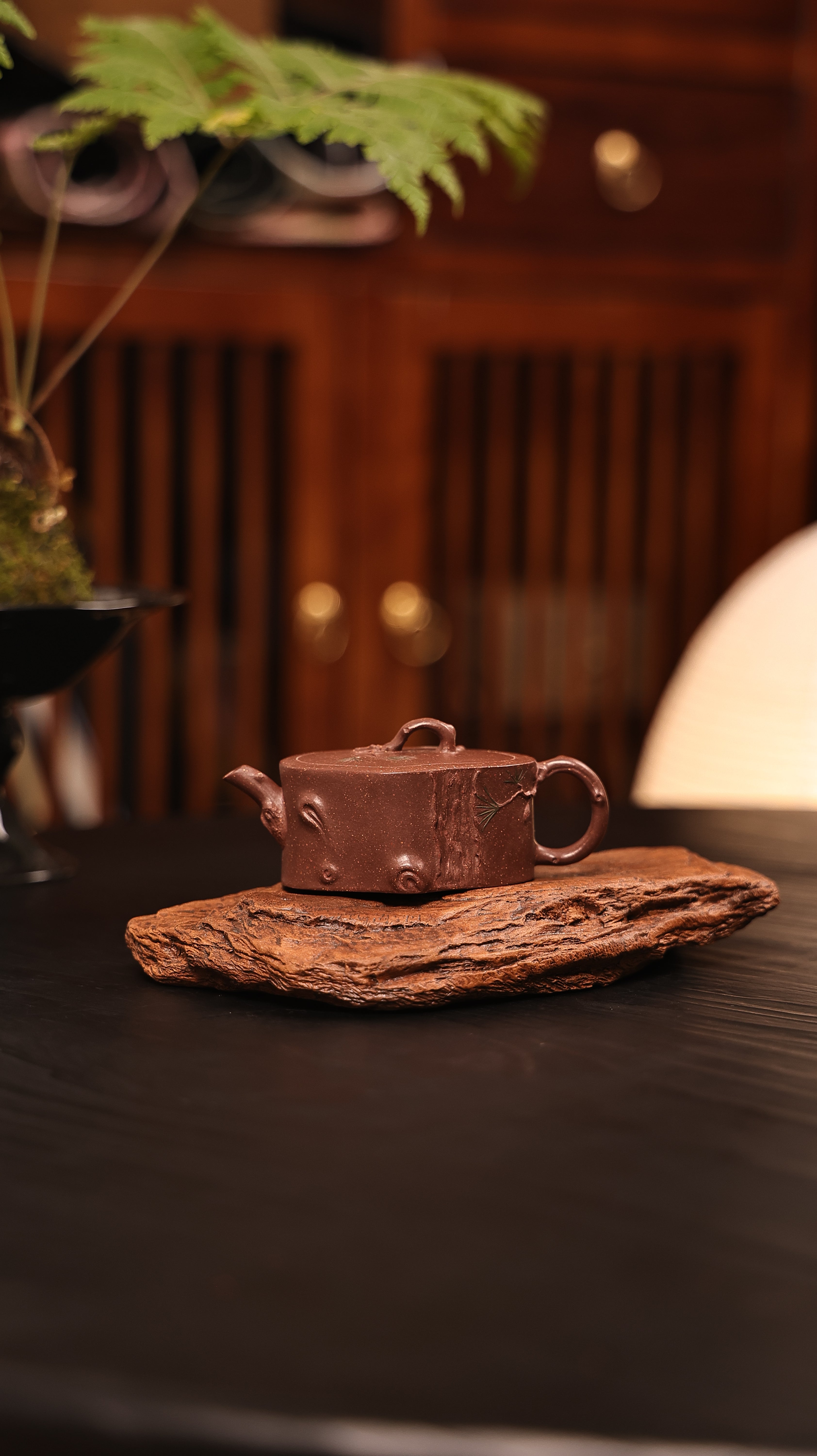
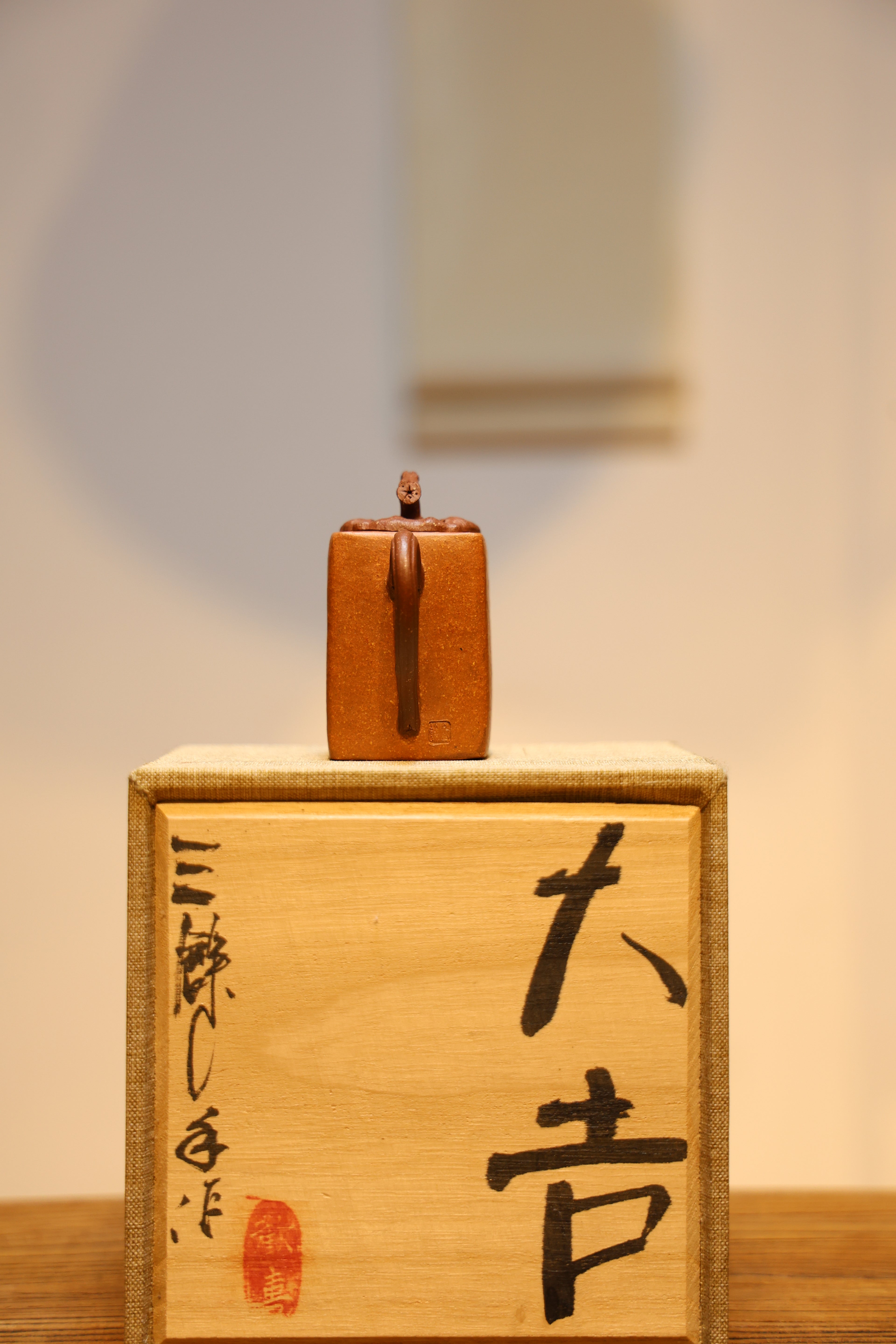
Within eras, collectors have been ensnared by the rare charm of Yixing Zisha teapots. Originating from the locality of Yixing in China, these wares are renowned for their notable beauty, unusual clay, and fundamental ability to elevate the note of tea. The soil's distinctive purple-brown hue, combined with the talented handiwork of native craftsmen, creates pieces that are jointly functional objects and treasured financial interests. Obtaining a Zisha teapot is more than just such a purchase; it's inviting a rich civilizational heritage.
Examining Yixing Teapots: Saga, Styles, and Cost
Famous Yixing teapots manifest a vast record deeply intertwined with Chinese culture. Deriving in the Yixing region of Jiangsu province, these clay vessels hold a heritage going back to the Ming Dynasty. Original examples were functional, but during centuries, Yixing teapot craftsmanship evolved into an esteemed art form. The clay itself, known for its unique porosity and ability to refine the flavor of the tea, lasts a defining factor. Yixing teapots manifest in various patterns, broadly categorized by shape: Conventional such as Zhuni (purple clay) and Bisheng, as well as more designs. The importance of a Yixing teapot turns on several factors, including the potter’s prestige, the age of the piece, the rarity of the clay, and its aesthetic merit.- History: Historic epoch
- Composition: Diverse kinds
- Assessment Factors: Historical period
Mastering Zisha: Tactics and Builders
Particular formation of a original Zisha teapot is a detailed process, requiring multiple cycles of knowledge. Experienced artisans meticulously choose the prime Zisha clay, a uncommon earth found only in specific regions of China. Time-honored techniques, often bequeathed through families, involve accurate shaping, nuanced carving, and unhurried firing in ancient fireplaces. The final teapot isn't merely a jar; it's a testament to aesthetic vision and the substantial connection between the maker and their heritage. Each product showcases the personal touch of the designer, resulting in a truly exceptional work of making.
Traditional Artefacts: Uncovering the Comprehensive Legacies of the Yixing Region
Historic Yixing, situated in Jiangsu the area, is widely renowned for its exceptional cookware – a tangible representation of centuries of Chinese craft. These aren't merely vessels for infusing tea; they are intricate works of artistry, often reflecting intellectual ideals. A unique purple clay, known as Zisha, possesses distinctive qualities: the element dense, permeable, and imparts a Yixing Teapot subtle quality to the tea.
- Many lineages have honed the techniques of Yixing container making, passing down traditional methods through eras.
- Followers prize these pieces for their elegance and oddity.
- Particular vessel tells a account, connecting the partaker to a rich history.
Investing in Yixing Zisha: Crucial Elements
Considering exploring buying Yixing Zisha containers, several distinct factors require careful analysis. Preliminarily, the clay’s tone is noteworthy; authentic Zisha habitually exhibits a pronounced reddish-brown cast. Additionally, investigate the execution; exacting attributes and a smooth finish imply expert fabrication. To finish, study the fabricator's profile; distinguished names yield augmented prices and often offer a more investment.
Zisha Teapot Tea Brewing Mastery
Brewing palatable tea with a Zisha carafe is more outstripping a simple custom; it's an skill. Zisha clay, acclaimed for its unique chemical composition, imparts a soft character to the composed tea that’s often not found with other vessels. The correct water warmth is essential; typically, lower than what's used for black tea, to protect the tea's essence and quality. Consider diligently the tea sort; delicate green teas or aged pu-erhs flourish from the Zisha’s ability to mellow their natural edge. It’s pivotal to prepare the teapot in advance of brewing, and to stop over-steeping. Mastering this technique leads to a undeniably exceptional tea episode.
- Knowing Zisha Clay
- Thermal Condition of Water & Variety of Tea
- The Importance of Pre-warming
Protecting Your The Kettle
To ensure secure the lifespan of your adored Yixing earthenware, regular care is truly important. Never using harsh substances; instead, mildly bathe it with tepid hydrous medium. Shun sudden variations; refrain deposit the kettle directly onto a burning burner. Periodically, develop the pot by brewing it with superior black concoction, as this assists to amplify its patina and maintains the distinctive characteristics of the material.
Relating to Earthenware to Drinkware: The Path of a Renowned Teapot
This creation of a Zisha teapot is a notable technique, a indication to both the land’s bounty and the competence of the craftsperson. It originates with the exact extraction of the special clay from the burgundy Zisha mines near Yixing. This untreated material, known for its superlative characteristics, is then carefully distilled and ready for the preliminary forming. The urn’s form is adeptly assembled using a combination of classical sculpting practices, often incorporating complex motifs. Following aging, the vessel undergoes a critical first firing, preceded by a varnishing stage, which might involve countless layers of natural Zisha coatings. Finally, a second, and sometimes third, firing at elevated temperatures finishes the product, revealing its resolved beauty and exceptional characteristics - a authentic masterpiece, set to beautify a tea tradition.
{Yixing Teapots: A Reflection of a Culture and Admiration
The Yixing region teapots, originating from the well-known Yixing region of Jiangsu province, are far more than mere wares for brewing liquids; they represent a meaningful aspect of Chinese society. Fabricated from distinctive purple clay – zisha – these distinctive teapots are highly appreciated for their ability to enhance the flavor of the tea and, crucially, for their beauty. The history of Yixing teapot making spans centuries, and the skill involved is passed down through generations, making each teapot a artistic creation that embodies ancient techniques and a profound appreciation for the understated pleasures in life.