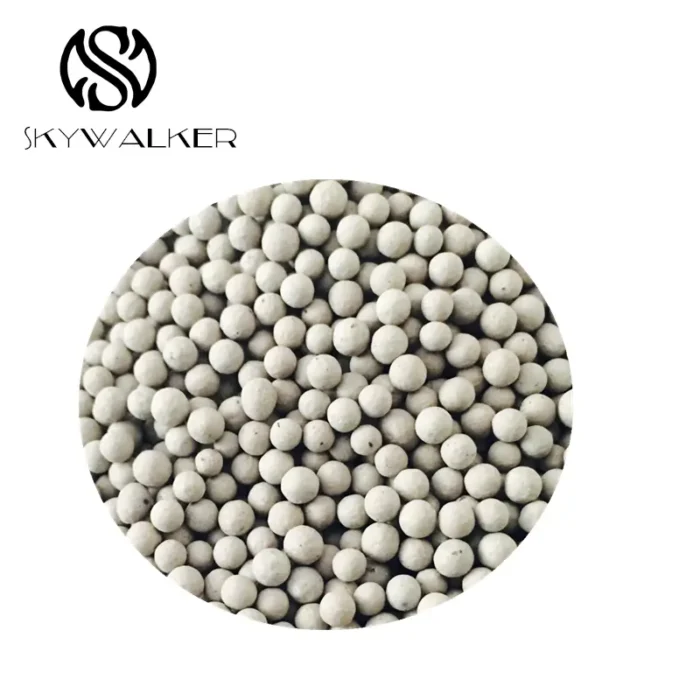
Comprehending prepared lightening material obligates a deep study of its characteristics. This singular substance is generally utilized in the cleaning of fats, efficiently clearing defects. The processing procedure typically involves mechanical treatment, strengthening its absorption power to collect colored pigments. Eventually, this summary will review the mechanism behind activated bleaching earth and its functions.
Clarifying Mineral Suppliers: Locating the Suitable Company
Ensuring a consistent distributor of detoxifying substance is vital for many fields, particularly those involved in edible oil processing. Picking the suitable vendor requires rigorous consideration beyond just charge. Review their proficiency in whitening compound sourcing, their inspection procedures, and their ability to consistently deliver your output needs. A established bleaching earth entity will also offer recommendations and a portfolio of categories to match your individual application.
Every Process Behind Modified De-colorizing Compound
Refined bleaching material, a cornerstone of the refining technique for edible oils, functions through a fascinating blend of concrete and chemical relations. Initially, naturally occurring illite is activated – a process involving heat and compounds – to drastically increase its surface surface. This expanded surface provides an immense number of places for the intentional adsorption of color pigments, defects, and unfavorable odor compounds. The mechanism is primarily adsorption, where molecules are held by weak van der Waals forces, though some interactional adsorption can also develop with certain agents. This results to a significant minimization of color and boost of the oil's aspect and taste.
Detoxifying Aggregate - Attributes and Applications
Lightening substance, frequently known soft white clay, demonstrates unique characteristics that transform it exceptionally valuable across extensive variety of industries. Its fundamental attribute is its exceptional sheen, deriving from its low trace element level. This property allows it advantageous for purposes demanding a shining appearance. Other than its hue, decolorizing mineral is primarily fine and retains good flexibility, permitting it to be conveniently molded. Popular applications consist of production creation, elastomer strengthening, clinical formulations, skincare essentials, and as an drying component in countless manufacturing procedures. As well, it finds function in clayware and stain fields.
Determining the Fitting Processed Clarifying Mineral for Your Demands
Deciding on the ideal refining material can be a intricate activity, as various applications call for specialized properties. Review the nature of product you’re managing; some substances are improved for activated bleaching earth manufacturer plant oils, while various forms are configured towards livestock fats. Aspects like surface area and absorption efficiency markedly influence capability.
- Analyze the brightness and odor strength of the input to set the essential lightening proportion.
- Study the range; diminutive particles generally supply amplified surface area, but may provoke removal challenges.
- Interpret the moisture content as it impacts the material’s adsorptive power.
Bleaching Soil: Generation Systems and Management
The production of bleaching earth, a widely utilized compound for oil refining and chemical purification, involves several key phases. Initially, bentonite is obtained and then subjected to alteration via heat process and/or chemical transformation. This process enhances the adsorptive properties of the mineral. Then, rigorous excellence inspections are implemented, including calculations of element size arrangement, petroleum adsorption performance, and fluid amount. Sophisticated analytical strategies, such as gas adsorption analysis and standardized verification, are engaged to confirm a consistent item that fulfills stringent specifications.
Eco-conscious Sourcing of Refined Bleaching Soil
The surging demand for activated bleaching earth presents a crucial challenge regarding its fabrication and environmental consequence. Traditional sourcing methods can give rise to habitat degradation and decline of natural resources. Consequently, an emphasis towards sustainable sourcing is vital. This involves adopting practices like reforestation of mined areas, recycling waste byproducts from other industries for generation, and partnering with domestic communities to guarantee ethical and moral mining practices. Furthermore, confirmation schemes and thorough scrutiny processes are needed to corroborate that the soil is acquired in a truly low-impact manner. Elements should also include cutting energy consumption during manufacturing and hydration agent usage.
- Restoration efforts
- Recycling waste materials
- Supporting local communities
- Endorsement schemes
Clarifying Clay Distributor Database: Top Corporations Evaluated
Finding a dependable mineral vendor can be a complication, but our comprehensive list aims to facilitate the process. We’ve assiduously compiled data and listed leading corporations in the bleaching earth area. This compilation highlights key producers known for their excellence and help, allowing end-users to spot the optimal source for their unique needs. Various factors, including processing volume, catalog, and feedback, were analyzed in determining these greatest orders.
Perceiving Activated Bleaching Earth Performance Metrics
To effectively evaluate the effectiveness of activated bleaching earth, it’s vital to apprehend key efficiency metrics. These benchmarks often include color grade, typically measured using a analyzer, which exhibits the earth’s ability to filter color from oils. As well, acid number is vital, as it influences the bleaching process; a higher amount usually correlates with improved decolorization capabilities. Finally, absorbent area, often determined via BET analysis, directly impacts the earth’s capacity to adsorb colorants, ultimately determining its overall detoxifying performance.