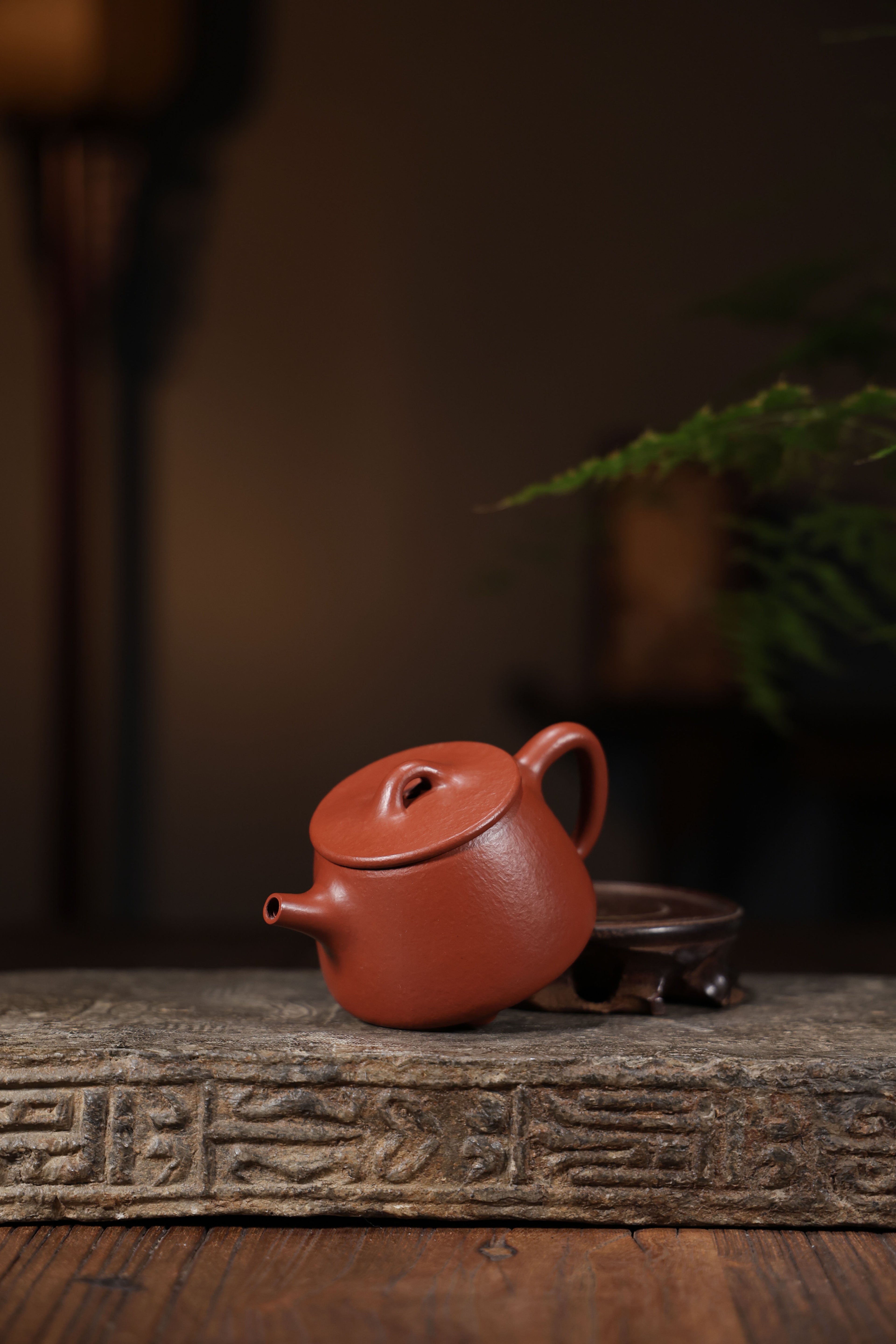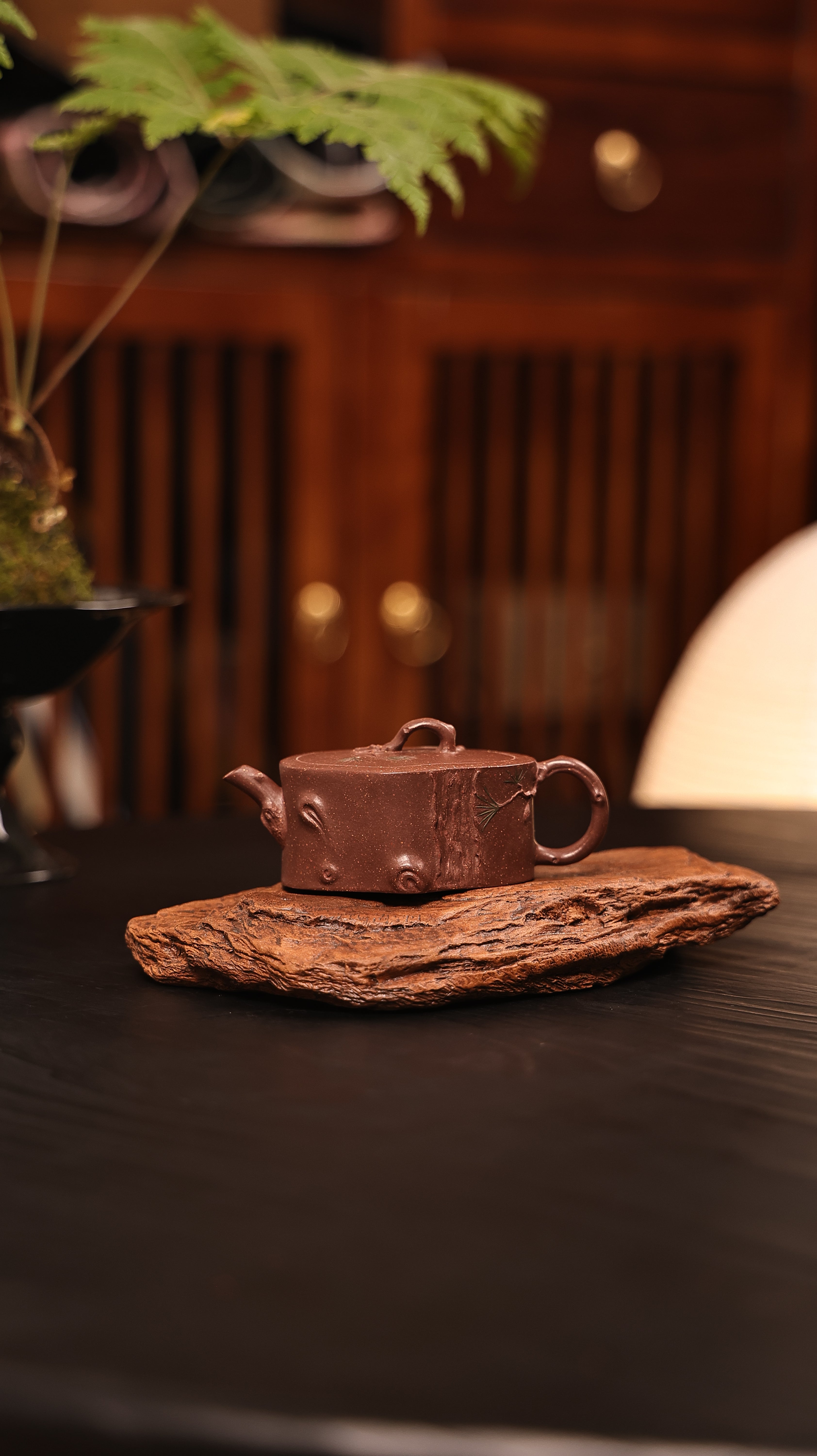
Amidst endless eras of heritage,
For generations, heritage seekers have been captivated by the exceptional charm of Yixing Zisha urns. Originating from the district of Yixing in Jiangsu, these pieces are renowned for their remarkable beauty, limited clay, and natural ability to augment the savor of the beverage. The substrate's distinctive mahogany hue, combined with the masterful fabrication of native craftsmen, creates pieces that are simultaneously functional creations and prized possessions. Owning a Zisha teapot is more than just the purchase; it's embracing a rich cultural heritage.
copyrightining Yixing Teapots: Ancestry, Styles, and Price
The renowned Yixing teapots stand as a fascinating tradition deeply intertwined with Chinese culture. Originating in the Yixing region of Jiangsu province, these clay vessels carry a heritage connecting back to the Ming Dynasty. Preliminary copyrightples were functional, but amidst centuries, Yixing teapot production evolved into an esteemed art form. The clay itself, known for its unique texture and ability to refine the flavor of the tea, lasts a defining factor. Yixing teapots manifest in various designs, broadly categorized by shape: Classic such as Zhuni (purple clay) and Bisheng, as well as refined designs. The merit Purple Clay Teapot of a Yixing teapot relies on several factors, including the potter’s acclaim, the age of the piece, the rarity of the clay, and its aesthetic beauty.- Heritage: Centuries ago
- Medium: Different forms
- Valuation Parameters: Artisan fame
Zisha Pot Excellence: Methods and Craftsmen
Distinct construction of a genuine Zisha teapot is a sophisticated process, requiring generations of mastery. Expert artisans meticulously select the premier Zisha clay, a rare earth found only in specific regions of China. Heritage-based techniques, often handed down through families, involve rigorous shaping, refined carving, and patient firing in ancient hearths. The final teapot isn't merely a jar; it's a testament to creative vision and the serious connection between the artist and their ancestry. Each piece showcases the distinctive touch of the specialist, resulting in a truly unparalleled work of masterpiece.
Traditional Craftsmanship: copyrightining the Profound Heritage of Yixing Province
Yixing, nestled in Jiangsu the expanse, is widely renowned for its exceptional ceramics – a tangible representation of centuries of Chinese creative legacy. These aren't merely vessels for making tea; they are intricate works of expertise, often reflecting philosophical ideals. This unique purple clay, known as Zisha, possesses notable qualities: it dense, open to air, and imparts a subtle quality to the tea.
- Many clans have honed the techniques of Yixing urn making, passing down exclusive methods through ages.
- Connoisseurs prize these pieces for their attractiveness and rareness.
- Every container tells a account, connecting the partaker to a rich past.
Purchasing Yixing Zisha: Guiding Points
Upon studying purchasing Yixing Zisha clayware, countless criteria expect careful review. In the first place, the earth's hue is important; authentic Zisha commonly exhibits a evident carmine depth. Besides, consider the production; detailed attributes and a clean veneer indicate skillful workmanship. Finally, research the artist’s history; celebrated names fetch higher prices and often offer a valuable reward.
Crafting Tea with Zisha Clay Vessels
Preparing delicious tea with a Zisha teapot is more outstripping a simple habit; it's an specialty. Zisha clay, distinguished for its unique elemental composition, imparts a nuanced character to the finished tea that’s often wanting with other implements. The suitable water degree is crucial; typically, milder than what's used for black tea, to protect the tea's odor and note. Consider attentively the tea type; delicate green teas or aged pu-erhs advance from the Zisha’s ability to calm their innate edge. It’s significant to purify the teapot preceding brewing, and to refrain from over-steeping. Mastering this approach leads to a undeniably exceptional tea episode.
- Grasping Zisha Clay
- Liquid Heat & Tea Classification
- Necessity of Preheating
Protecting Your The Ceramic Pot
With the aim of guarantee the persistence of your valuable Yixing teapot, habitual attention is utterly crucial. Never using abrasives; instead, softly bathe it with tepid water. Shun drastic variations; don't deposit the clay pot directly onto a burning area. Periodically, enrich the clay pot by percolating it with fine matured brew, as this facilitates to enhance its nature and protects the singular qualities of the earth.
With respect to Soil to Chalice: The Path of a Famous Teapot
This creation of a Zisha teapot is a extraordinary method, a proof to both nature's bounty and the ability of the specialist. It starts with the precise extraction of the extraordinary clay from the violet Zisha mines adjacent to Yixing. This pristine material, known for its outstanding attributes, is then steadily cleaned and shaped for the preliminary forming. The bottle’s configuration is precisely fashioned using a union of heritage manipulating approaches, often incorporating elaborate decorations. Following hardening, the teapot undergoes a vital first firing, joined by a dressing stage, which might involve countless layers of natural Zisha coatings. Finally, a second, and sometimes third, firing at extreme temperatures finishes the product, revealing its finished beauty and fantastic characteristics - a true masterpiece, available to enrich a tea event.
{Yixing Teapots: A Sign of the Custom and Tribute
Legendary Yixing teapots, originating from the noted Yixing region of Jiangsu province, are far more than mere jars for brewing tea; they represent a profound aspect of Chinese culture. Made from distinctive purple clay – zisha – these exceptional teapots are highly valued for their ability to improve the flavor of the tea and, crucially, for their aesthetic appeal. The legacy of Yixing teapot making spans centuries, and the craft involved is inherited through generations, making each teapot a artistic creation that embodies ancient techniques and a profound appreciation for the understated pleasures in life.