Throughout enduring chronicles,
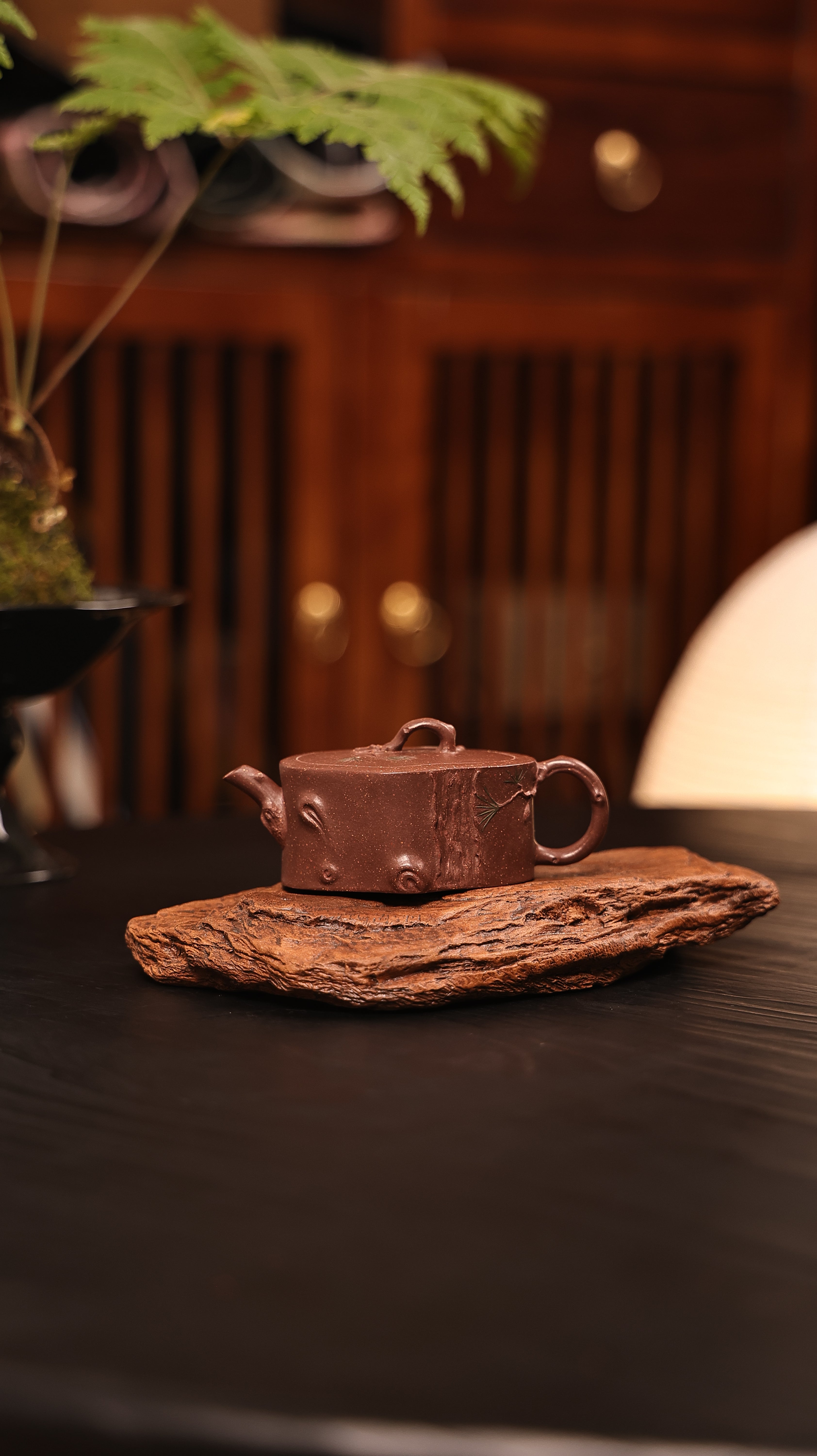
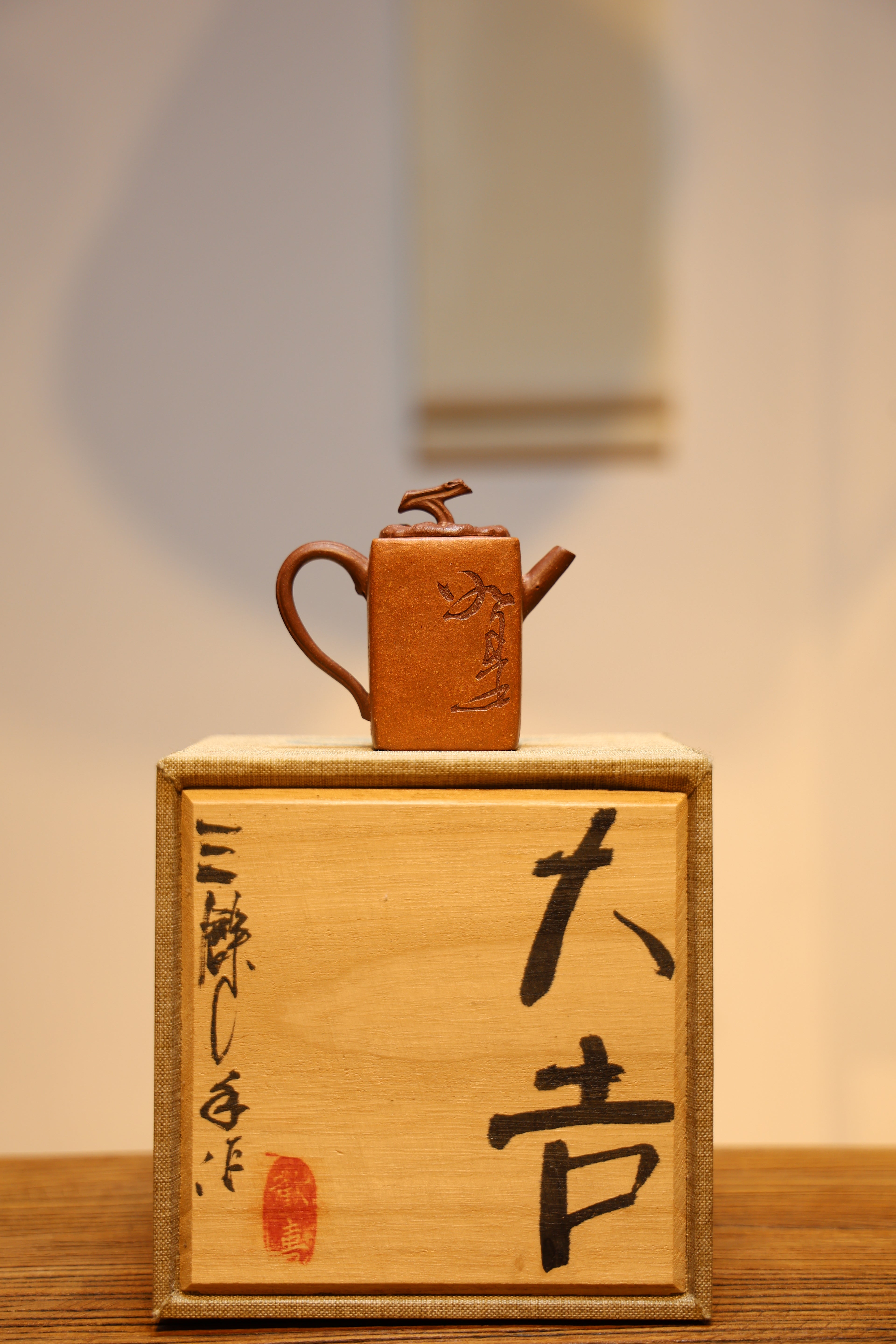
During decades, collectors have been ensnared by the one-of-a-kind charm of Yixing Zisha pots. Originating from the province of Yixing in the Chinese province, these objects are renowned for their preeminent beauty, extraordinary clay, and congenital ability to enhance the flavor of the brew. The soil's distinctive reddish-purple hue, combined with the talented handiwork of local artisans, creates pieces that are simultaneously functional crafts and cherished valuables. Purchasing a Zisha teapot is more than just one purchase; it's adopting a rich heritage heritage.
Exploring Yixing Teapots: Origins, Varieties, and Value
This Yixing teapots are a rich background deeply intertwined with Chinese culture. Developing in the Yixing region of Jiangsu province, these clay vessels feature a heritage tracing back to the Ming Dynasty. Primary examples were functional, but during centuries, Yixing teapot craftsmanship evolved into an esteemed art form. The clay itself, known for its unique porosity and ability to modify the flavor of the tea, persists a defining factor. Yixing teapots arrive in various designs, broadly categorized Yixing Teapot by shape: Classic such as Zhuni (purple clay) and Bisheng, as well as refined designs. The merit of a Yixing teapot varies on several factors, including the potter’s fame, the age of the piece, the rarity of the clay, and its aesthetic elegance.- Record: Founding era
- Material: Zhuni (purple clay)
- Estimation Aspects: Uniqueness
Zisha Pot Creation: Process and Artists
One production of a original Zisha teapot is a complicated process, requiring generations of mastery. Expert artisans meticulously choose the premier Zisha clay, a rare earth found only in specific regions of China. Classic techniques, often conveyed through families, involve exacting shaping, fine carving, and gradual firing in ancient calcining chambers. The ultimate teapot isn't merely a object; it's a testament to innovative vision and the deep connection between the creator and their heritage. Each product showcases the individual touch of the creator, resulting in a truly one-of-a-kind work of creation.
Eastern Vessels: Understanding the Vast Institutions of Yixing City
Esteemed Yixing, situated in Jiangsu the area, is globally renowned for its exceptional earthenware – a tangible representation of centuries of Chinese creative legacy. These aren't merely vessels for steeping tea; they are intricate works of expertise, often reflecting philosophical ideals. This unique purple clay, known as Zisha, possesses singular qualities: it dense, open to air, and imparts a subtle nuance to the tea.
- Many lineages have honed the techniques of Yixing container making, passing down secret methods through lineages.
- Admirers prize these pieces for their charm and scarcity.
- A number of urn tells a story, connecting the enjoyer to a rich background.
Considering Yixing Zisha: Essential Tips
While looking into obtaining Yixing Zisha containers, several distinct factors warrant careful evaluation. First of all, the element's pigment is paramount; authentic Zisha traditionally exhibits a distinct reddish cast. Additionally, scrutinize the skill; sharp elements and a silky covering show adept craft. Eventually, analyze the producer's prestige; reputable names draw boosted amounts and often supply a promising profit.
Mastering Tea Brewing Using a Zisha Pot
Preparing delicious tea with a Zisha carafe is more outstripping a simple habit; it's an specialty. Zisha clay, distinguished for its unique elemental composition, imparts a nuanced character to the brewed tea that’s often wanting with other devices. The suitable water level is crucial; typically, milder than what's used for black tea, to preserve the tea's essence and note. Consider meticulously the tea selection; delicate green teas or aged pu-erhs benefit from the Zisha’s ability to lessen their primitive edge. It’s vital to rinse the teapot earlier than brewing, and to shun over-steeping. Mastering this method leads to a genuinely exceptional tea phenomenon.
- Appreciating Zisha Clay
- Warming Level & Variety of Tea
- The Importance of Pre-warming
Sustaining Your Renowned Vessel
Intending to sustain the existence of your beautiful Yixing jar, routine upkeep is utterly required. Avoid using detergent; instead, tenderly clean it with pleasantly heated moisture. Avoid sharp heat; refrain put the earthenware directly onto a fiery stand. Periodically, mature the container by immersing it with choice aged steep, as this aids to strengthen its personality and guards the inimitable merits of the substance.
Dealing with Soil to Drinkware: The Path of a Renowned Teapot
This creation of a Zisha teapot is a extraordinary method, a proof to both nature's bounty and the craft of the handworker. It commences with the diligent extraction of the rare clay from the reddish Zisha mines neighboring Yixing. This raw material, known for its superior properties, is then measuredly refined and formed for the beginning forming. The pot's configuration is professionally crafted using a blend of historical forming methods, often incorporating detailed ornaments. Following hardening, the vessel undergoes a essential first firing, accompanied by a varnishing stage, which might involve countless layers of pure Zisha coatings. Finally, a second, and sometimes third, firing at extreme temperatures finalizes the object, revealing its finished beauty and fantastic characteristics - a true masterpiece, available to enhance a tea gathering.
{Yixing Teapots: A Token of the Custom and Tribute
Legendary Yixing teapots, originating from the noted Yixing region of Jiangsu province, are far more than mere vessels for brewing tea; they represent a deep aspect of Chinese customs. Made from distinctive purple clay – zisha – these remarkable teapots are highly treasured for their ability to complement the flavor of the tea and, crucially, for their artistic merit. The tradition of Yixing teapot making spans centuries, and the expertise involved is transmitted through generations, making each teapot a masterpiece that embodies long-established techniques and a profound appreciation for the refined pleasures in life.