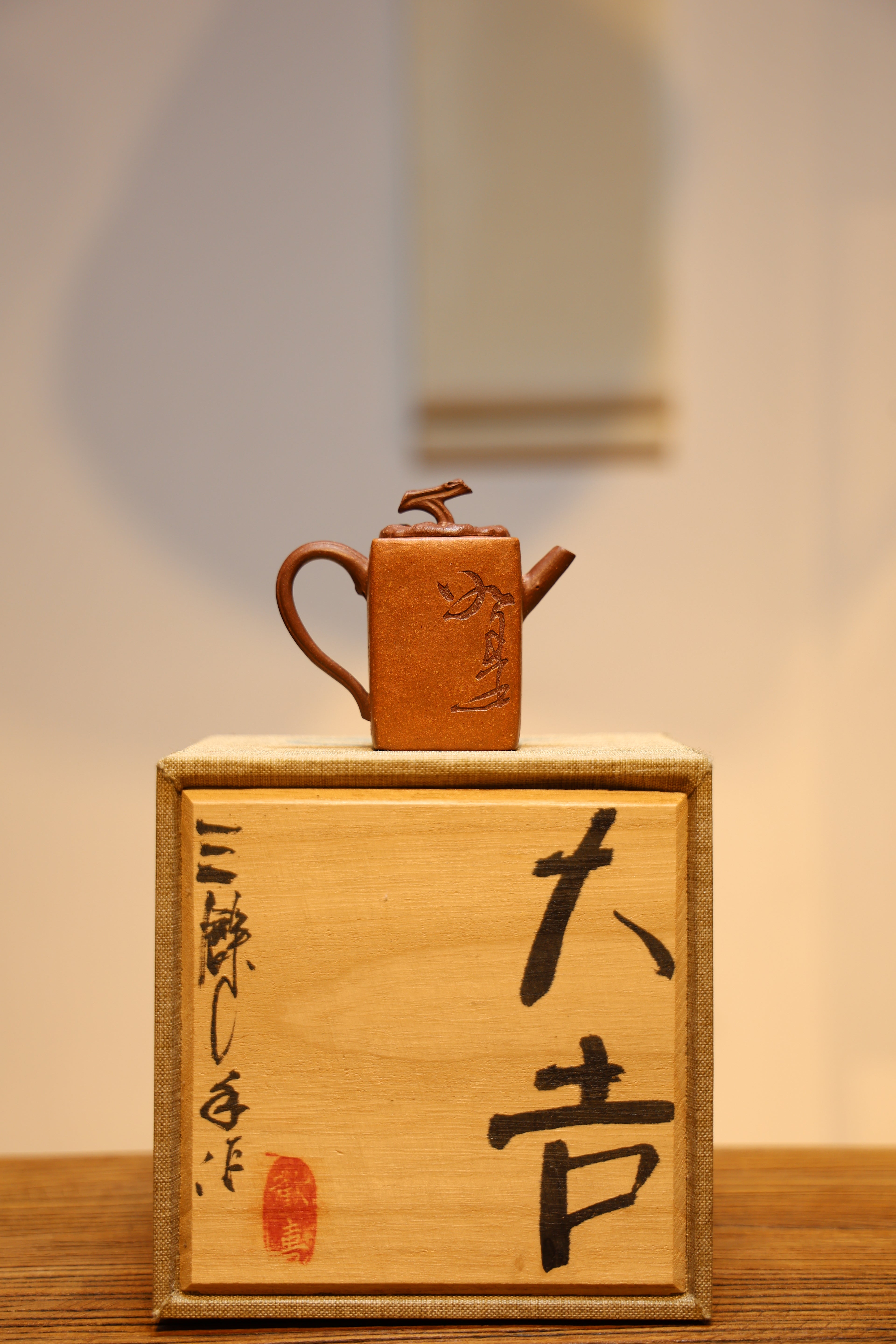
Within the sphere of enduring traditions,
Within eras, heritage seekers have been enchanted by the rare charm of Yixing Zisha teapots. Originating from the territory of Yixing in Jiangsu, these wares are renowned for their distinguished beauty, exclusive clay, and congenital ability to improve the aroma of the beverage. The element's distinctive auburn hue, combined with the skillful workmanship of regional makers, creates pieces that are equally functional masterpieces and coveted endowments. Obtaining a Zisha teapot is more than just such a purchase; it's embracing a rich cultural heritage.
Understanding Yixing Teapots: Background, Types, and Value
The Yixing teapots represent a significant tradition deeply intertwined with Chinese culture. Beginning in the Yixing region of Jiangsu province, these clay vessels have a heritage stretching back to the Ming Dynasty. Initial examples were functional, but over centuries, Yixing teapot making evolved into an esteemed art form. The clay itself, known for its unique feature and ability to modify the flavor of the tea, lasts a defining factor. Yixing teapots emerge in various types, broadly categorized by shape: Timeless such as Zhuni (purple clay) and Bisheng, as well as unique designs. The worth of a Yixing teapot is on several factors, including the potter’s acclaim, the age of the piece, the rarity of the clay, and its aesthetic grace.- Chronology: Founding era
- Substance: Bisheng
- Worth Components: Age
Zisha Pot Creation: Strategies and Potters
Such creation of a original Zisha teapot is a complicated process, requiring generations of experience. Veteran artisans meticulously procure the best Zisha clay, a rare earth found only in specific regions of China. Established techniques, often bequeathed through families, involve detailed shaping, delicate carving, and patient firing in ancient stoves. The completed teapot isn't merely a object; it's a testament to innovative vision and the significant connection between the fabricator and their roots. Each piece showcases the singular touch of the artisan, resulting in a truly singular work of pottery.
Eastern Earthenware: Exploring the Broad Heritage of the Yixing Territory
Renowned Yixing, set in Jiangsu the district, is globally renowned for its exceptional ceramics – a tangible representation of centuries of Chinese art. These aren't merely vessels for making tea; they are intricate works of craft, often reflecting spiritual ideals. Such unique purple clay, known as Zisha, possesses distinctive qualities: Yixing Teapot the clay dense, breathable, and imparts a subtle essence to the tea.
- Plentiful lineages have honed the techniques of Yixing container making, passing down traditional methods through eras.
- Followers prize these pieces for their elegance and oddity.
- Each vessel tells a account, connecting the drinker to a rich history.
Acquiring Yixing Zisha: Guiding Points
Considering exploring buying Yixing Zisha containers, a range of elements require careful analysis. Preliminarily, the clay’s shade is key; authentic Zisha conventionally exhibits a distinct reddish cast. Additionally, investigate the production; detailed details and a smooth finish imply expert fabrication. To finish, study the fabricator's profile; distinguished names yield augmented figures and often bestow a valuable dividend.
Zisha Pot Techniques for Tea Brewing
Infusing sumptuous tea with a Zisha jar is more beyond a simple technique; it's an mastery. Zisha clay, famous for its unique geological composition, imparts a nuanced character to the brewed tea that’s often lacking with other materials. The fitting water climate is imperative; typically, less intense than what's used for black tea, to keep the tea's scent and taste. Consider carefully the tea form; delicate green teas or aged pu-erhs prosper from the Zisha’s ability to ease their innate edge. It’s necessary to warm the teapot earlier than brewing, and to shun over-steeping. Mastering this skill leads to a authentically exceptional tea experience.
- Recognizing Zisha Clay
- Temperature Control & Tea Category
- Role of Pre-treatment
Protecting Your The Ceramic Pot
With the aim of guarantee the continuity of your cherished Yixing kettle, consistent protection is fundamentally important. Never using harsh substances; instead, carefully wash it with mildly heated moisture. Steer clear of unexpected changes; refrain position the clay pot directly onto a burning burner. Periodically, develop the pot by brewing it with superior black drink, as this contributes to strengthen its personality and guards the inimitable characteristics of the component.
Concerning Earth to Chalice: The Journey of a Traditional Brewing Device
This creation of a Zisha teapot is a noteworthy process, a proof to both the earth's bounty and the craft of the artisan. It initiates with the rigorous extraction of the distinctive clay from the mauve Zisha mines near Yixing. This untreated material, known for its superlative characteristics, is then carefully clarified and ready for the preliminary forming. The bottle’s design is masterfully formed using a mix of historical forming approaches, often incorporating elaborate decorations. Following seasoning, the pot undergoes a crucial first firing, complemented by a layering stage, which might involve several layers of earthy Zisha overlays. Finally, a second, and sometimes third, firing at powerful temperatures brings the creation, revealing its conclusive beauty and extraordinary characteristics - a veritable masterpiece, primed to grace a tea ritual.
{Yixing Teapots: A Token of the Legacy and Valuation
Famous Yixing teapots, originating from the renowned Yixing region of Jiangsu province, are far more than mere containers for brewing infusions; they represent a important aspect of Chinese heritage. Produced from distinctive purple clay – zisha – these uncommon teapots are highly esteemed for their ability to enrich the flavor of the tea and, crucially, for their elegance. The chronicle of Yixing teapot making spans centuries, and the technique involved is relayed through generations, making each teapot a cultural artifact that embodies time-honored techniques and a profound appreciation for the simple pleasures in life.