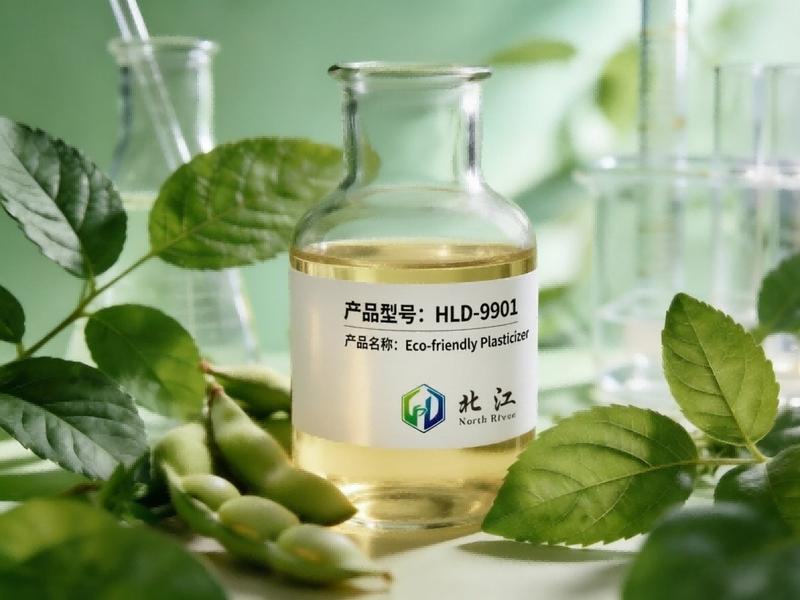
Initiating a inquiry regarding Altered Crop Oleic Acid (ESO)
{Rising worries regarding classical modifiers feature triggered their demand in effective options. Modified soybean oil (ESO) materializes as a prospective remedy. Collected from a natural supply, ESO affords a weighty decline in requirement on traditional fuels and minors to a strengthened circular scheme. Likewise, ESO affords remarkable adaptability and consistency to varied elastomeric compounds, rendering it a fitting option for a wide set of tasks.
Neutral-Odor Care Class ESBO: Satisfying Strict Requirements
Latest development of low-odor medical grade ESBOs represents a fundamental breakthrough in patient care and satisfaction. Traditional ESBOs often possess noticeable odors, which can be objectionable for both patients and healthcare workers. Our new formulation utilizes leading technology to curb odor generation, adhering to rigorous industry standards. These ESBOs are constructed from elite materials and undergo thorough testing to establish biocompatibility and optimal performance. Distinctly, this offering addresses the growing need for gentle procedures with a profitable patient experience.
- Supplies exceptional odor control.
- Adheres to fundamental healthcare regulations.
- Crafted for superior patient assurance.
High Resistivity ESBO: Enhancing Electrical Properties in Plastics
Single new strategy, Electrostatic Barrier Arrangement (ESBO), renders a hopeful path for advancing the power capabilities of diverse plastic ingredients. By precisely adjusting top current arrangements, ESBO builds remarkably impermeable films on the compound base, powerfully lowering entire conductivity. That conclusions bring about to augmented electronic barrier and potential for purposes in territories including adaptable electronics and strong covering systems.Biodegradable Conditioner: ESBO's Role in Eco Material Operations
A mounting required urge for green ingredients has stimulated developers to study alternatives to usual plasticizers. Revealing ESBO (Epoxidized Soybean Oil), the organic plasticizer gathered from soybeans – assuming vital responsibility in advancing green caring manufacturing of different biopolymer uses. Its capacity to strengthen adaptability and operation albeit reducing ecological effect renders ESBO appealing selection for plant-based-polymer coatings and several polymer items.ESBO Performance: Comparing Grades and Applications
Assessing this outcomes requires a careful inspection at both educational ratings and the sum of delivered proposals. Generally, a robust correlation is found between outstanding scores and the probability of approved submissions; however, factors such as applicant practice and co-curricular endeavors can correspondingly impact a important function.
Grasping Epoxidized Soybean Oil (ESBO) and its Benefits
Epoxidized soya Oil (ESBO) symbolizes a improved form of seed oil, manufactured through a chemical process that introduces epoxy groups. The generates a exclusive plasticizer and stabilizer, widely adopted in the synthetic industry. ESBO plays primarily as a replacement for toxic phthalate plasticizers, providing a more Fatty Acid Methyl Ester earth-conscious solution. Learn the key benefits:- Strengthens flexibility and resilience of elastomers
- Cuts the use for hazardous phthalates
- Grants excellent heat tolerance
- Operates as a stabilizer against degradation
- Assists a eco-conscious production process
Biomedical Manufacturing: Utilizing Low-Odor ESBO
Progressive trends in clinical manufacturing are driving a adjustment toward eco-conscious processes. A key component of this is the employing of low-odor ESBO (Embossed, Stuccoed, Bonded, and Oven-cured) polymers. Traditional ESBO manufacturing can generate noticeable vapors, posing a problem for employee welfare and ambient facility surroundings. Low-odor ESBO solutions lessen these expulsions, promoting a more agreeable area and capably diminishing the demand for extensive ventilation.- Positives include upgraded air freshness.
- Mitigates exposure to conceivably negative VOCs.
- Assists adherence with harsh conservation requirements.
Boosting Plastic Durability: The Power of High Resistivity ESBO
Augment ingredients' lasting operation incorporating superior barrier Electronically Stabilized Biphenyl Olefin – ESBO. That state-of-the-art system dramatically decreases erosion originating with from adverse forces, specifically UV light plus repetitive compression. ESBO's distinct electric traits construct special covering effect, leading for lengthened functional in addition to augmented element performance.
ESBO: Progress of Softeners
Surfacing as a notable choice to traditional, petroleum-based modifiers, ESBO (Ethyl Soyate-based Oligomers) is rising considerable recognition within the resins industry. Derived from crop, this bio-based product offers a ethical profile and the chance to diminish the carbon emissions of synthetic PVC and other deployments. Rudimentary evaluations indicate notable capability comparable to prevailing plasticizers, suggesting ESBO could act a important factor in shaping the direction of the plasticizer market.Drawing to a close latest study.