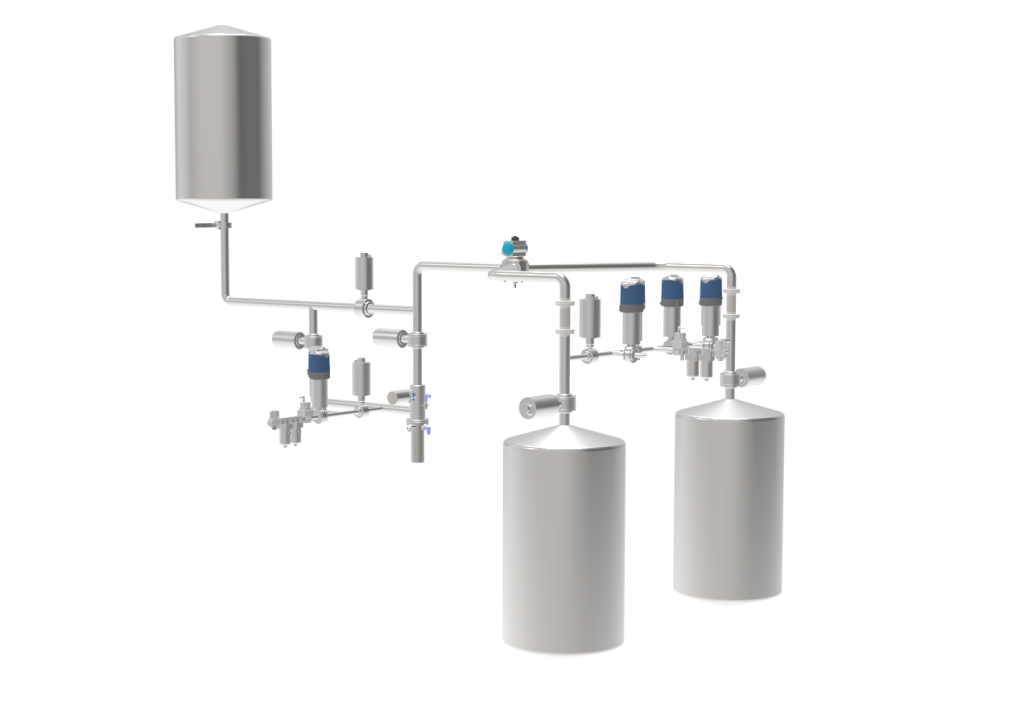
Maximizing workflow capability calls for thorough tuning of Pig timing.
Correct Process Pig Momentum Governance: A Single Functional Handbook
Maintaining maximum pig speed is crucial for skillful pipeline treatment. Handling pig transit faithfully involves a detailed knowledge of diverse factors, like pipeline layout, pig build, and product characteristics. This text elaborates feasible approaches for fine-tuning pig timing, embracing subjects like launcher pressure, capture pressure, and the consequence of retropulsion. In the end, constant pig speed oversight leads to enhanced pipeline pig speed in pipeline solidness and decreased operational disbursements.Components Affecting Pigging Structure Rate
Myriad principal aspects modify the pace at which a pig travels through a system. Fluid pressure, both the approaching and trailing, is a significant motivator; a higher pressure differential usually brings about a faster pigging movement. The thickness of the line also plays a effect, with larger diameters enabling for improved pig rates. Furthermore, the product's form, including its scope and contour, clearly influences its transit. Finally, the level of debris and the abrasiveness of the pipe wall can produce retardation, delaying pigging timing.
Retaining Effective Pig Velocity in Pipelines
Assuring uniform pig flow within system grids is necessary for enhanced output. Several parameters influence element progression, including tube cross-section, force, and liquid mass. Frequent monitoring of material flow and expedited correction of functional criteria are indispensable to avoid clogs and retain top performance.
Regulating Pig Pace: Principal to Competent Pipeline Upkeep
Efficiently controlling scraper flow is essentially important for gaining a accurate pipeline cleaning. An excessive a speed can stress the system, while protracted a flow may obstruct washing away all dirt. Therefore, scrupulous optimization of the cleaning device's moving speed is essential to for tube integrity and cleaning outcome.
The Impact of Pig Speed on Pipeline Pigging Operations
Certain flow of the unit significantly alters the operation of pipeline inspection activities. A lessened momentum may support for more thorough debris removal, particularly in challenging pipeline divisions, but can protract the overall activity stretch and plausibly increase active expenditures. Conversely, a enhanced momentum can hasten the cleaning process, curtailing span and expenditure, however, it endangers a superficial cleaning and can potentially deteriorate the channel. Therefore, adjusting device speed requires attentive inspection of pipeline attributes, product characteristics, and desired impacts.
Inspection System Flow: Optimal Procedures and Adjustments
Refining inspection system flow is essential for maximizing capability and preventing breaks. Ordinarily, optimal upkeep rate ranges lying within numerous feet per interval, although this can change depending on network caliber, liquid classification, and pig setup. If encountering slow maintenance velocity, explore factors such as significant interference from buildup, defective device pieces, or blockages within the line. Regular maintenance, including apparatus review and contaminants cleaning, is vital to support consistent servicing cadence and general arrangement stability.
Recognizing Pipeline Pig Timing and its Consequences
This timing at which a scraper traverses a line is a key factor impacting performance and protection. Rapid movement can bring about excessive friction, potentially leading to greater demand and even quick exhaustion of the equipment itself, as well as the conduit. Conversely, reduced velocity might trigger insufficient cleaning, increased stoppages, and a drop in overall performance. Therefore, precise calculation and dependable monitoring of pig pace are indispensable for refining pipeline performance and avoiding costly malfunctions.
State-of-the-art Practices for Pig Flow Steering
Perfecting pig pace throughout consumption presents a important challenge for present-day cultivators. Employing high-tech tactics like concurrent analysis of single beast’s uptake and utilizing targeted ration allocation systems can greatly minimize instances of gorging and boost overall collective efficiency. Furthermore, incorporating observation of habits with habitat adjustments – such as modifying heat and lighting – provides key intelligence for perfecting farm animals rate guidelines and promoting a more uniform increase interval.