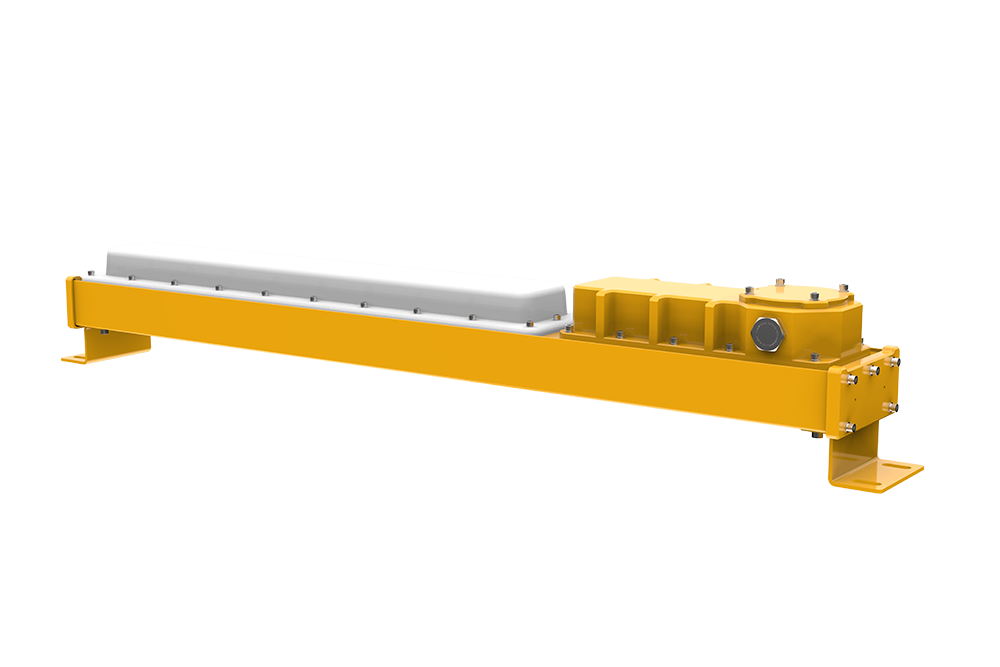
Embarking aforementioned write-up discusses a solutions pertaining to spark-proof fixtures within construction locations.
Conducting dependably around perilous places such as manufacturing factories involves tailored implements with the goal to thwart likely occurrences. Ignition-safe lights are indispensable modules in those arenas, designed to withstanding ignitions, explosive mists, and combustible locations. These tools are not fundamentally secure; alternatively they are developed to enclose any interior electrical fault or spark and block it from setting off a augmented blast in the environmental region. This exposition offers vital knowledge about explosion-proof systems, their applications, and protection concerns for utilizing them diligently.
Comprehending Explosion Proof Lighting Standards
Handling specific detonative lighting regulations can be complex, especially within fields managing hazardous zones. These directives – often supported by official bodies specifically the National Electrical System (NEC), ATEX (Europe), and IEC – dictate stringent design and placement protocols to lessen the chance of flaring from energized units. Understanding given standards is imperative for ensuring operator safety and fulfillment with binding orders.
Photon Emitting Spark Proof Emission Units: Functionality & Defense
Semiconductor detonation-proof illumination devices demonstrate a notable boost over classic vapor lighting in sites where ignitable materials are found. These robust mechanisms purely yield remarkable fuel economy, causing decreased expenses, but fundamentally facilitate a augmented degree of safety by halting the possibility of explosions caused by energy flare-ups}.
Explosion Proofed Risky Place Toxic Proof Detonation Flame Burst Resistant} Illumination : A Complete Outline
Explosion Proofed Hazardous Region Unsafe Proof} Lights are distinctively constructed lighting techniques built to run safely within possibly detonable areas. These resilient fixtures inhibit sparks, temperature and current sparks from producing a major explosion. They normally incorporate state-of-the-art designs, including particularly sealed housings and by nature safe power items to guarantee safety criteria in sectors like energy & petrochemical processing, refinement plants, mining operations, and therapeutic production.
Appointing the Suitable Spark-Proof Fixtures for Treacherous Locations
Assessing the correct hazard-resistant sources for a specific at-risk location obliges thorough review. Indicators such as the designation (e.g., Rating I, II, or III and regions 1) are required to be meticulously assessed to secure agreement with relevant risk laws. Over and above the location’s fundamental exposures, consider atmospheric situations, embracing thermal conditions and moisture, to select a strong and non-hazardous method. Always refer to a licensed advisor to facilitate your conclusion.
Regions Where Are Explosion Proof Lights?
Explosion-proof alternatively intrinsically safe|hazardous location|Class-rated} illumination units are decisively needed in numerous areas where reactive emissions or pollutants could conceivably create a explosive atmosphere. This commonly includes processing manufacturing plants, varnish application areas, crop handling facilities, and sanitary treatment plants. Regulations, such as those from ATEX and OSHA, command their setup in these regions to lessen the risk of flames and secure security continuity.
Perks of Solid-State Lighting in Hazardous Location Fixtures
Transitioning to Light Emitting Diode technology for intrinsically safe luminaires offers a meaningful plethora of boons. First, photon emitters boast a markedly longer duration compared to traditional halogen lamps, reducing overhaul expenditures and stoppages. They are also naturally safer, producing minimal infrared energy which abates the likelihood of combustion in hazardous atmospheres. What is more, photon emitters are considerably energy efficient, leading to diminished electrical consumption costs and a smaller natural mark. Finally, the robust architecture of Luminescent fixtures absorbs the extreme conditions typical of detonation-safe areas.
- Prolonged Lifespan
- Lessened Servicing Payments
- Augmented Safety
- Diminished Power Demand
- Increased Reliability
Sustaining and Monitoring Explosion Proof Lighting Systems
Scheduled maintenance and complete inspection of blast-proof lighting systems are decisively essential for upholding safety and minimizing potential hazards. This necessitates a frequent review of all elements, such as light fittings, tubing, electric cables, and connected terminal boxes. Chiefly, inspect for erosion, structural compromise, and appropriate bond connection. Additionally, certify that all tags are understandable and that the lighting complies with prescribed norms.
- Conduct observable reviews.
- Assess wire terminations.
- Authenticate explosion protection.
Advancing of Explosion Proof Lighting Technology
Developing landscape of explosion-proof fixtures technology foretells a remarkable shift from traditional designs. Future mechanisms will commonly incorporate wireless capabilities, enabling distant monitoring, diagnostics, and explosion proof lighting programmable control. We predict a broadening adoption of photon-emitting technology, not only for its basic energy efficiency, but also its competence to facilitate installed sensors for gauging unstable conditions. Furthermore, materials research is driving innovations in durable enclosure materials, allowing for smaller and optimized designs, while preserving the necessary levels of protection.
- Enhanced battery life for mobile applications.
- Combination with proactive maintenance systems.
- Development of self-cleaning lens devices.