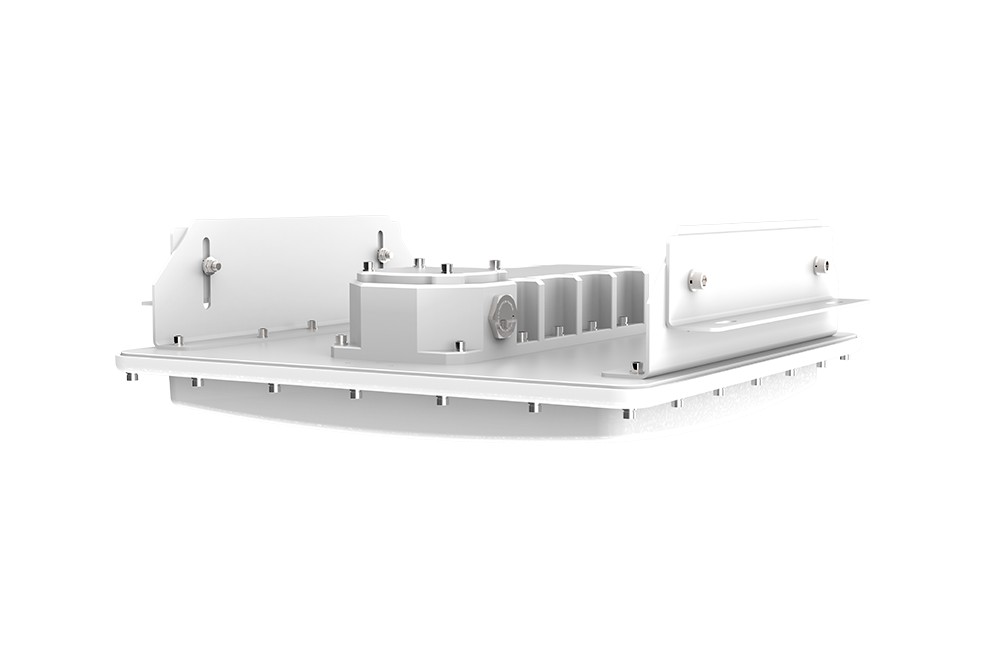
Initiating our article studies various systems of explosion-proof devices among construction areas.
Operating steadfastly inside critical sites such as pharmaceutical facilities entails specialized systems with the goal to ward off likely emergencies. Ignition-safe power fixtures are required aspects in these zones, engineered to endure energy releases, inflammable effluents, and detonating zones. These tools are not fundamentally safe; conversely they are produced to enclose any interior electrical fault or ignition and block it from generating a larger combustion in the neighboring space. This presentation furnishes significant instruction about explosion-proof illumination, their employments, and precaution elements for installing them safely.
Decoding Explosion Proof Lighting Standards
Adhering to these blast-proof lighting criteria can be elaborate, especially regarding sectors handling hazardous settings. These directives – often supported by authorized bodies like the National Electrical Code (NEC), ATEX (Europe), and IEC – outline exact design and implementation techniques to avoid the vulnerability of fire outbreaks from electrical fixtures. Understanding the standards is vital for ensuring personnel safety and conformity with statutory requirements.
Luminescent Flame Proof Lighting Systems: Output & Safeguarding
Photonic ignition-proof illumination devices exhibit a notable enhancement over classic vapor sources in environments where combustible agents are exposed. These strong tools also provide exceptional reduced energy consumption, leading to declined expenditure, but specifically secure a improved level of defense by stopping the possibility of explosions due to voltage burst}.
Explosion Rated Dangerous Region Hazardous Proof Detonation Flame Flashpoint Resistant} Illumination : A Thorough Outline
Explosion Hardened Risky Place Toxic Proof} Fixtures are intentionally crafted lighting devices built to act safely within likely volatile sites. These tough fixtures prevent sparks, caloric power and ignition emissions from starting a severe explosion. They habitually incorporate innovative designs, encompassing namely impermeable housings and naturally safe electrical modules to ensure safety criteria in sectors like energy & petrochemical processing, production plants, excavation operations, and therapeutic production.
Selecting the Proper Explosion-Proof Luminaires for Critical Sites
Figuring out the best fire-safe lighting for a given exclusion zone necessitates precise consideration. Parameters such as the type (e.g., Class I, II, or III and sections 0) must be correctly examined to ensure conformance with related defense standards. In addition to the vicinity's inherent hazards, evaluate local conditions, like warmth and condensation, to find a robust and risk-free fix. Systematically liaise with a qualified professional to support your evaluation.
Settings Where Require Explosion Proof Lights?
Explosion-proof or: intrinsically safe|hazardous location|Class-rated} luminaries are unequivocally needed in various areas where ignitable emissions or microparticles could may create a toxic atmosphere. This generally includes chemical processing plants, paint application areas, flour handling facilities, and sewage treatment locations. Regulations, such as those from OSHA and NFPA, require their use in these environments to avoid the risk of sparks and guarantee safety integrity.
Benefits of LED in Explosion Proof Units
Utilizing Crystal-Based technology for detonation-safe units offers a remarkable range of gains. First, solid-state lights boast a much longer lifespan compared to traditional arc units, reducing care fees and outages. They are also inherently safer, producing mitigated thermal flux which curtails the possibility of ignition in flammable atmospheres. Besides, luminescent sources are increasingly cost-effective, leading to lessened electrical consumption expenses and a narrowed natural mark. Finally, the robust architecture of Luminescent lighting systems absorbs the extreme environments typical of detonation-safe areas.
- Enhanced Operating Life
- Curtailed Repair Disbursements
- Boosted Security
- Curtailed Watt Expenditure
- Improved Stability
Upkeeping and Monitoring Explosion Proof Lighting Systems
Scheduled maintenance and complete inspection of fire-safe lighting setups are decisively crucial for confirming security and stopping potential dangers. This entails a periodic review of all modules, such as lighting apparatus, channels, power cables, and linked connection enclosures. In particular, review for chemical decay, body impairments, and reliable earthing. In addition, guarantee that each indications are identifiable and that the light fulfills authorized regulations.
- Carry out ocular reviews.
- Evaluate power connections.
- Corroborate intrinsically safe properties.
Upcoming Trends of Explosion Proof Lighting Technology
Progressing landscape of explosion-proof sources technology indicates a meaningful shift from traditional designs. Future systems will widely incorporate smart capabilities, enabling virtual monitoring, diagnostics, and responsive control. We imagine a strengthening adoption of semiconductor technology, not only for its inherent energy efficiency, but also its ability to facilitate embedded sensors for monitoring unsafe conditions. Also, materials analysis is promoting innovations ex proof lights in strong container materials, allowing for minimized and advanced designs, while upholding the compulsory levels of defense.
- Boosted battery life for movable applications.
- Unification with anticipative maintenance infrastructures.
- Invention of hands-free lens methodologies.